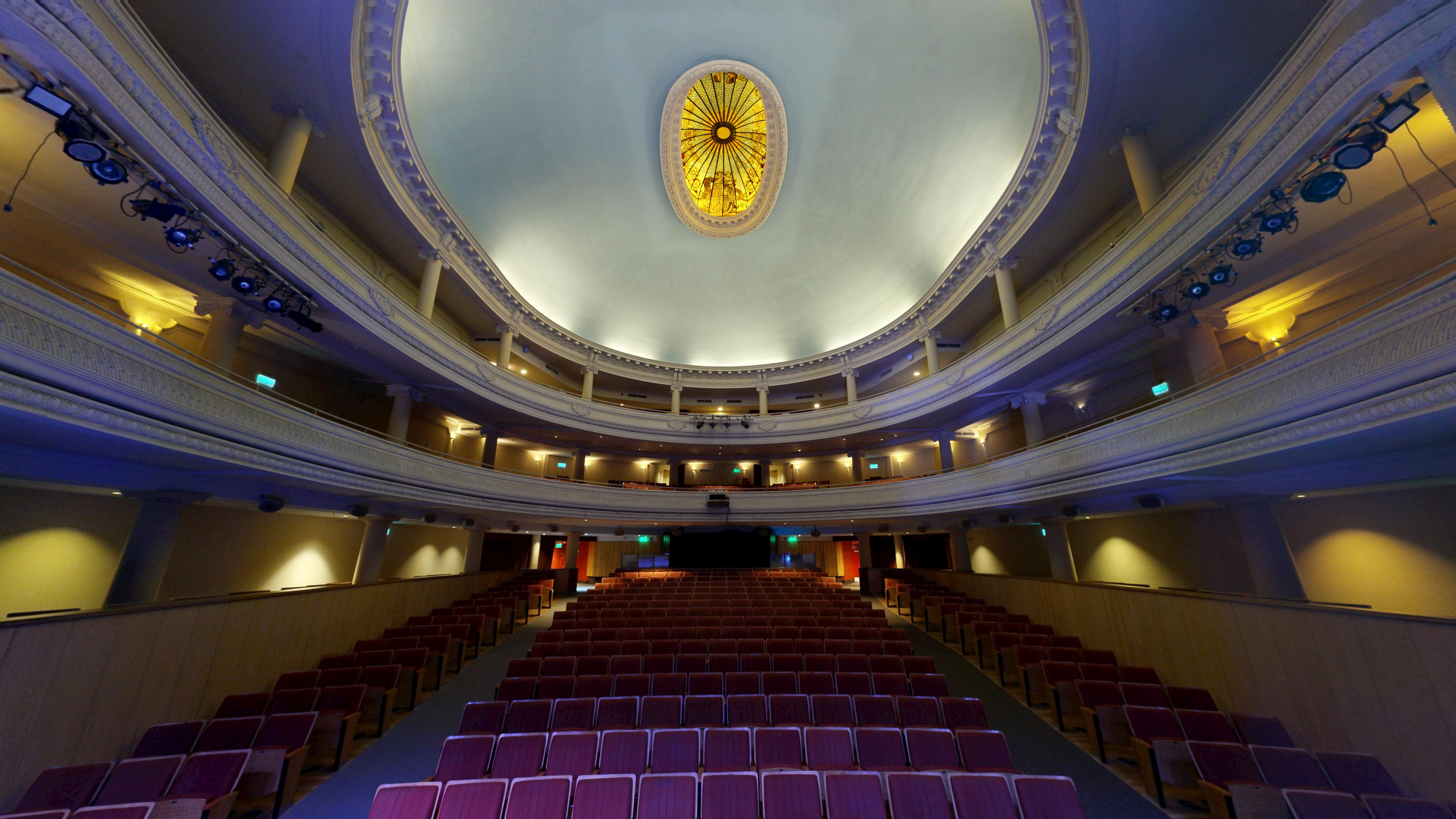

25 de Mayo Cultural Center
Cultural Center
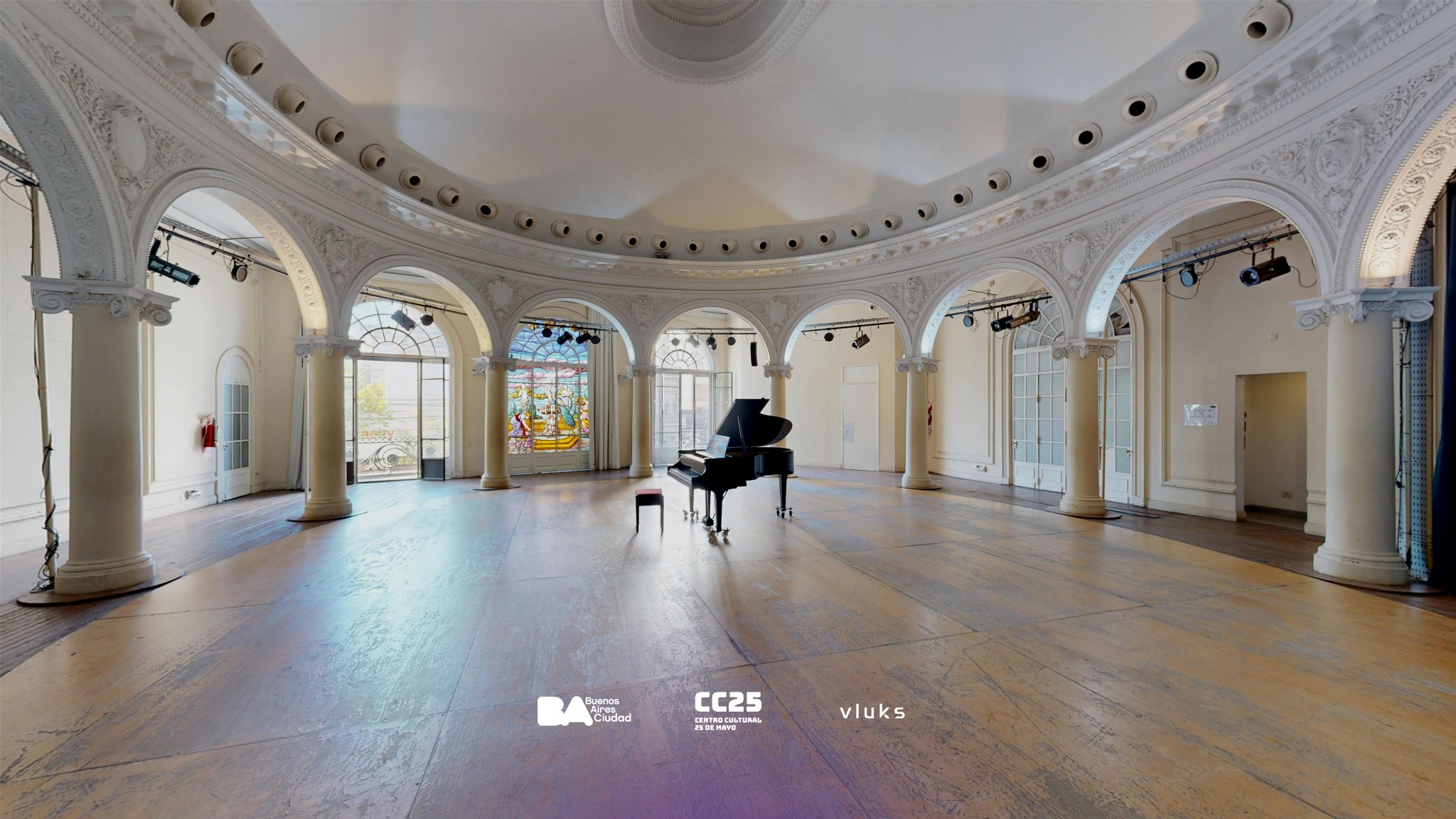
Concert hall
Theater
Neighborhood
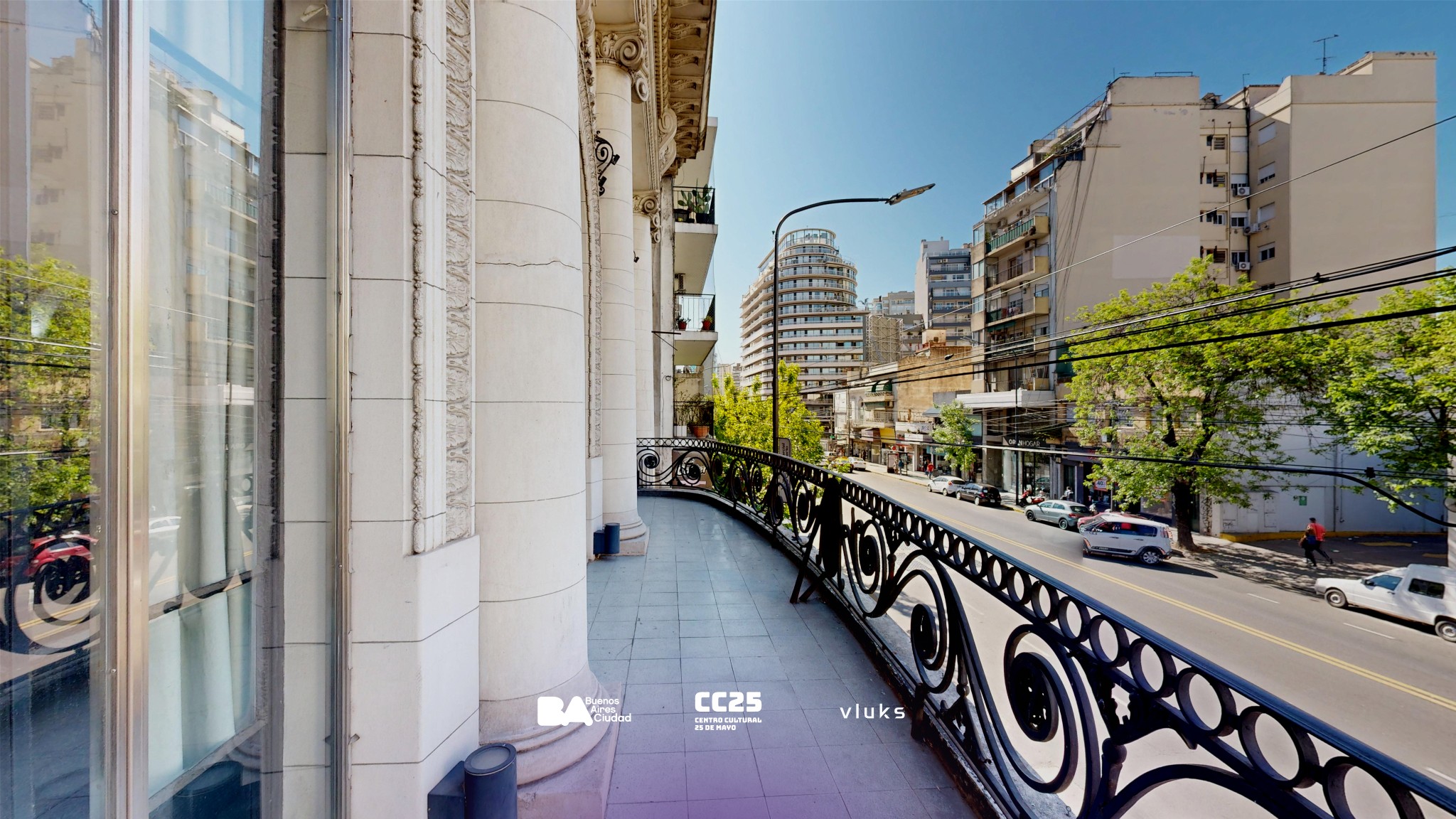
Villa Urquiza
Villa Urquiza
Founded in
1929
1929
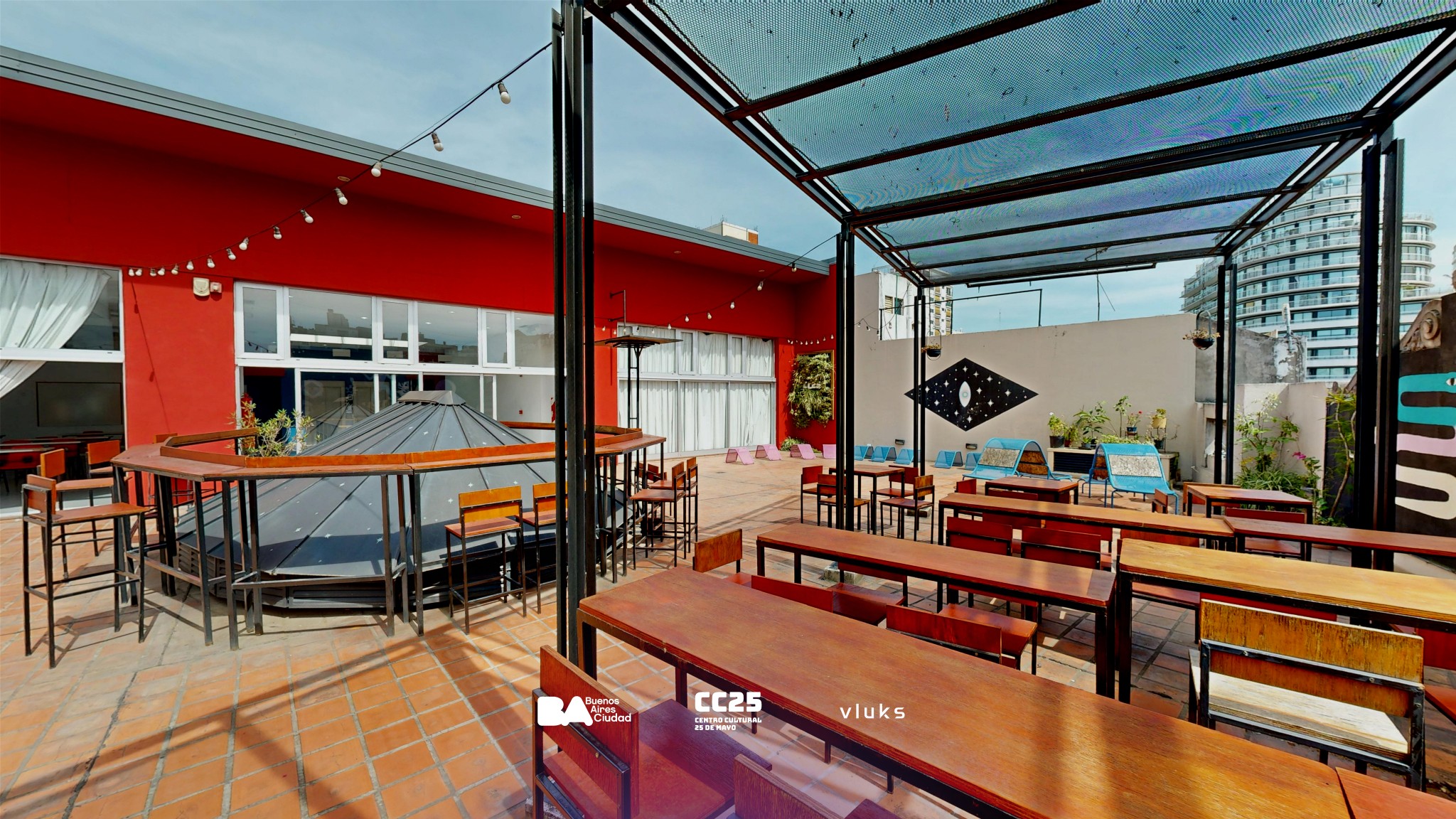
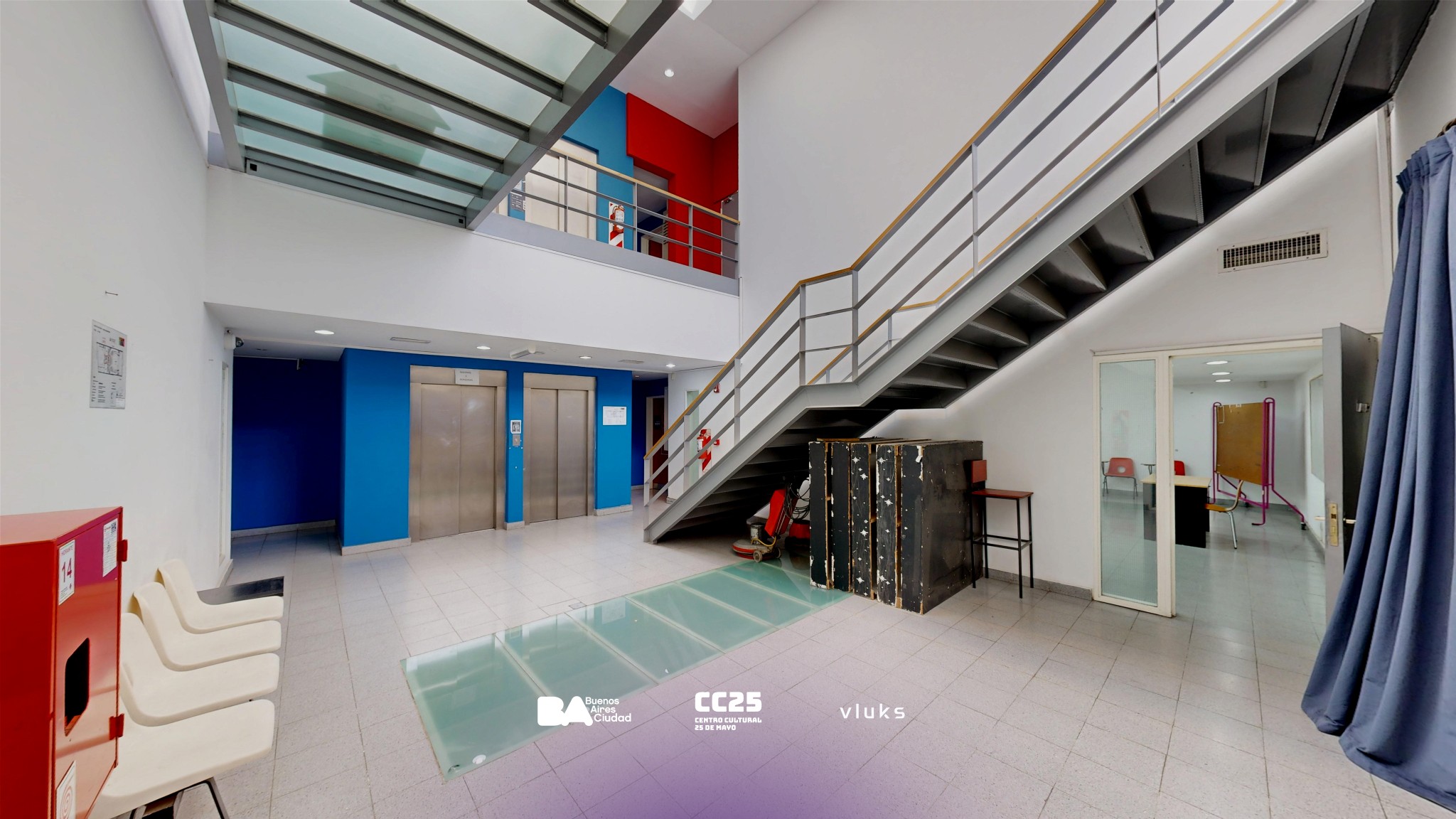
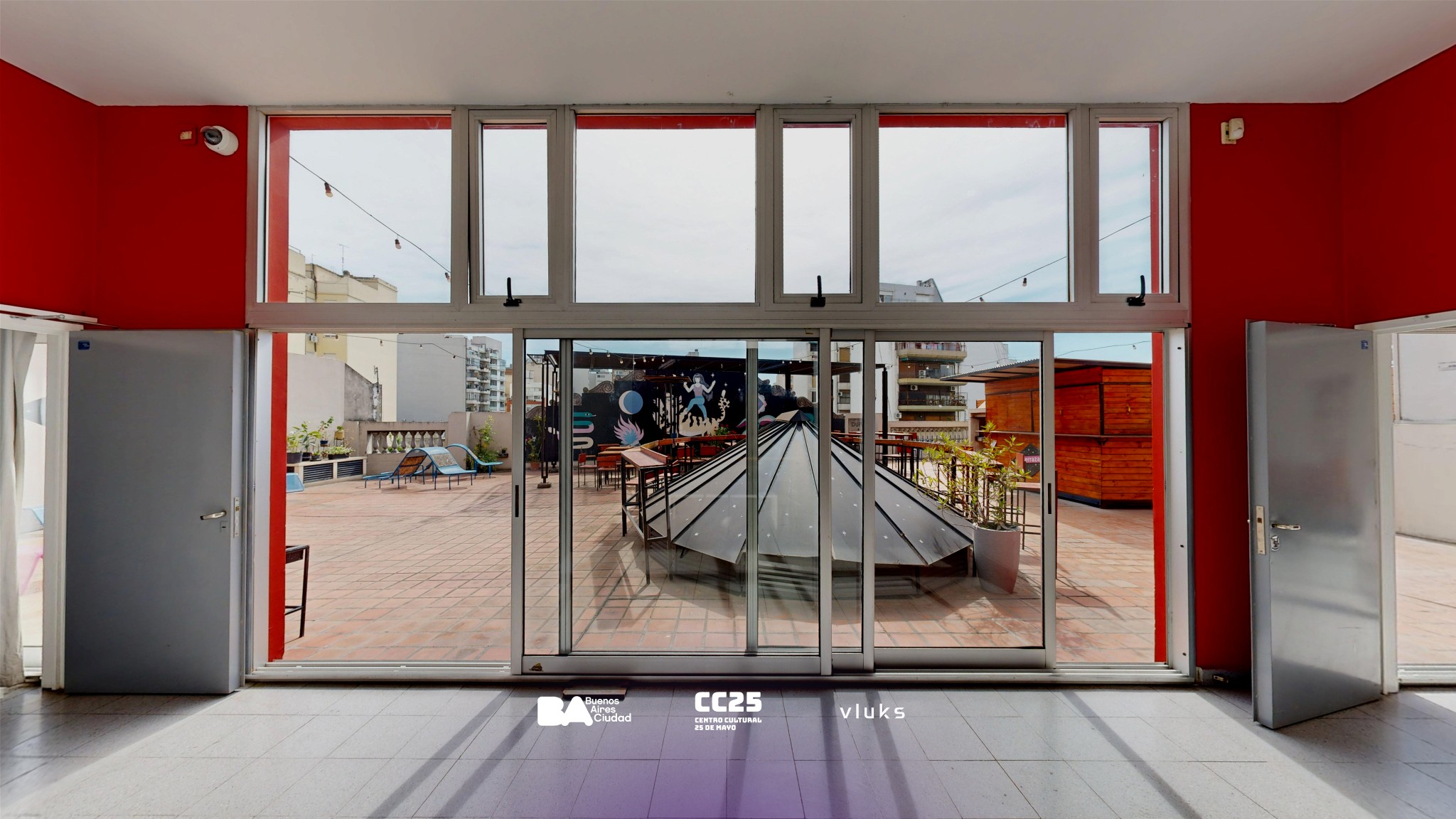
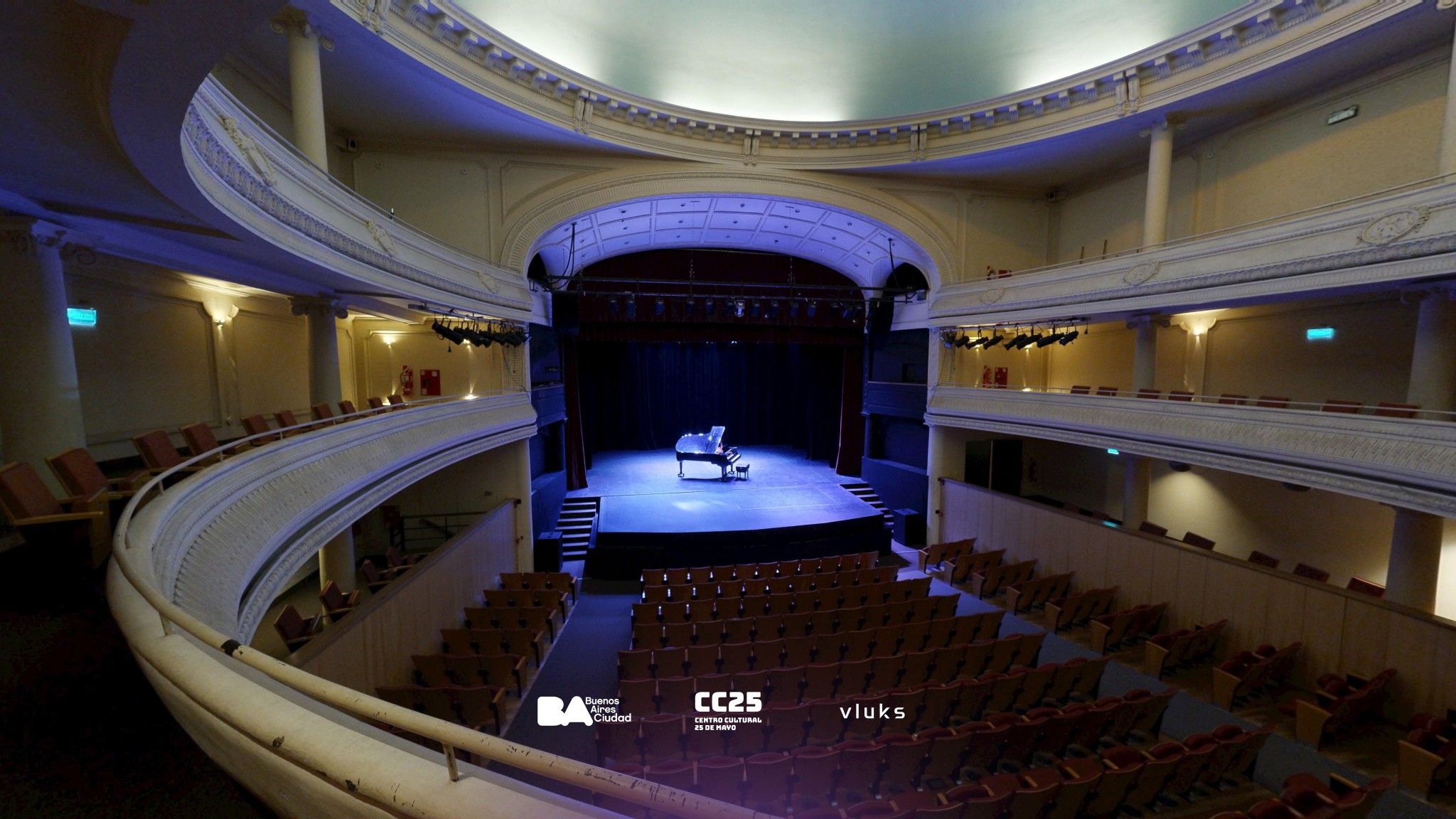
A historic cinema theater in Villa Urquiza, recovered by its neighbors and converted into a vibrant cultural center. Today it combines major stage productions, cinema, workshops, and community activities in an emblematic building of the neighborhood.
A historic cinema theater in Villa Urquiza, recovered by its neighbors and converted into a vibrant cultural center. Today it combines major stage productions, cinema, workshops, and community activities in an emblematic building of the neighborhood.
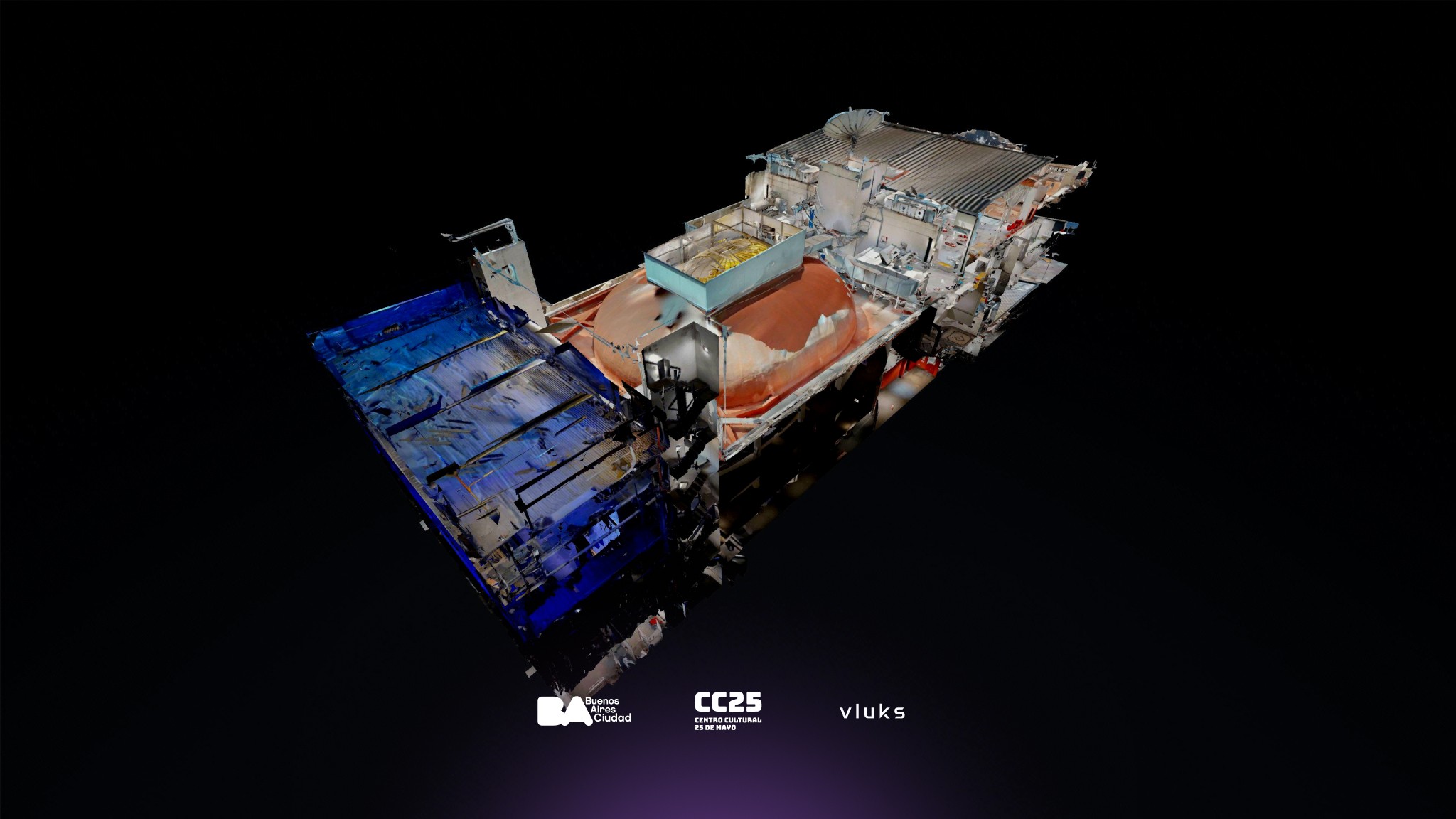
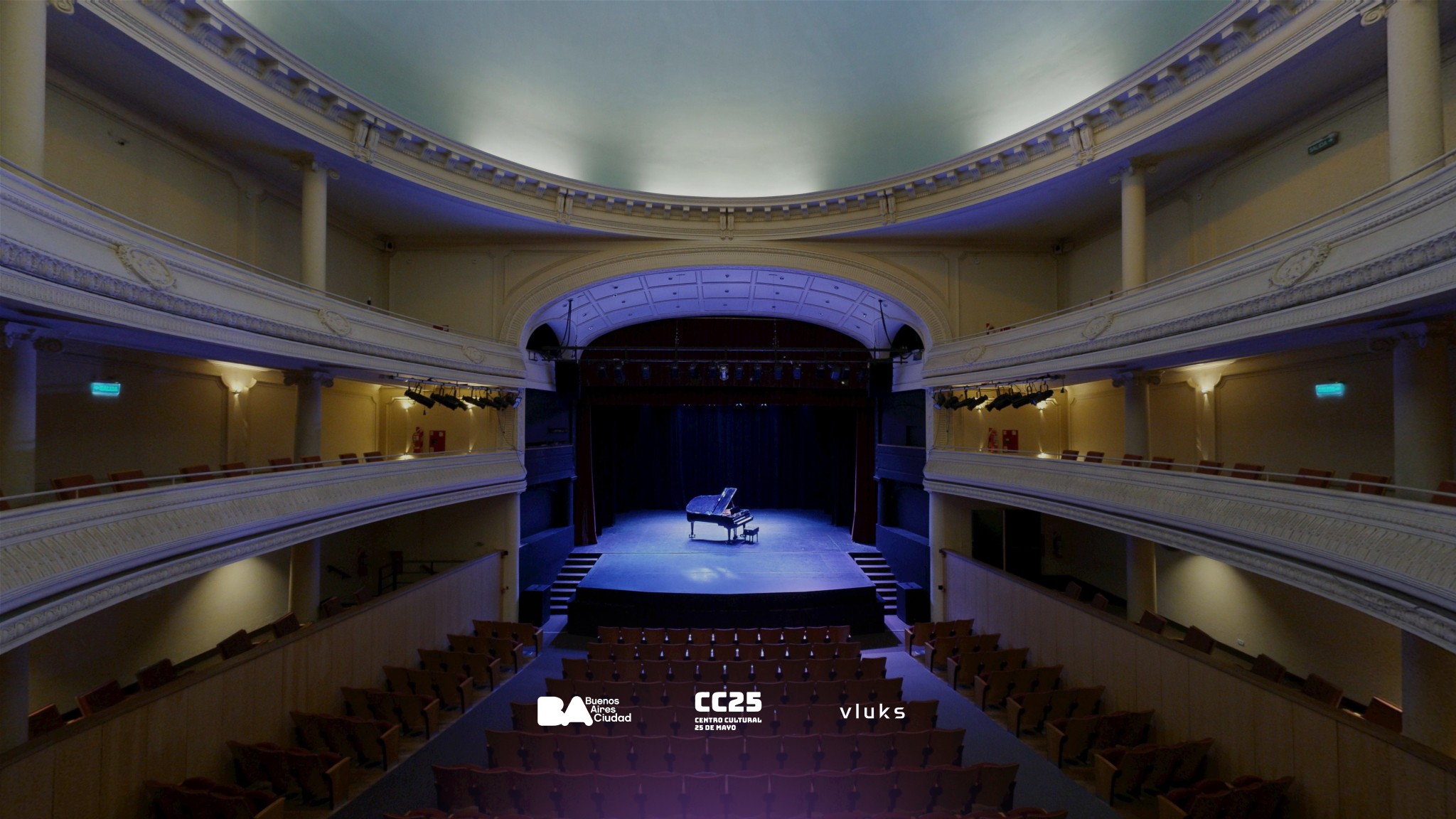
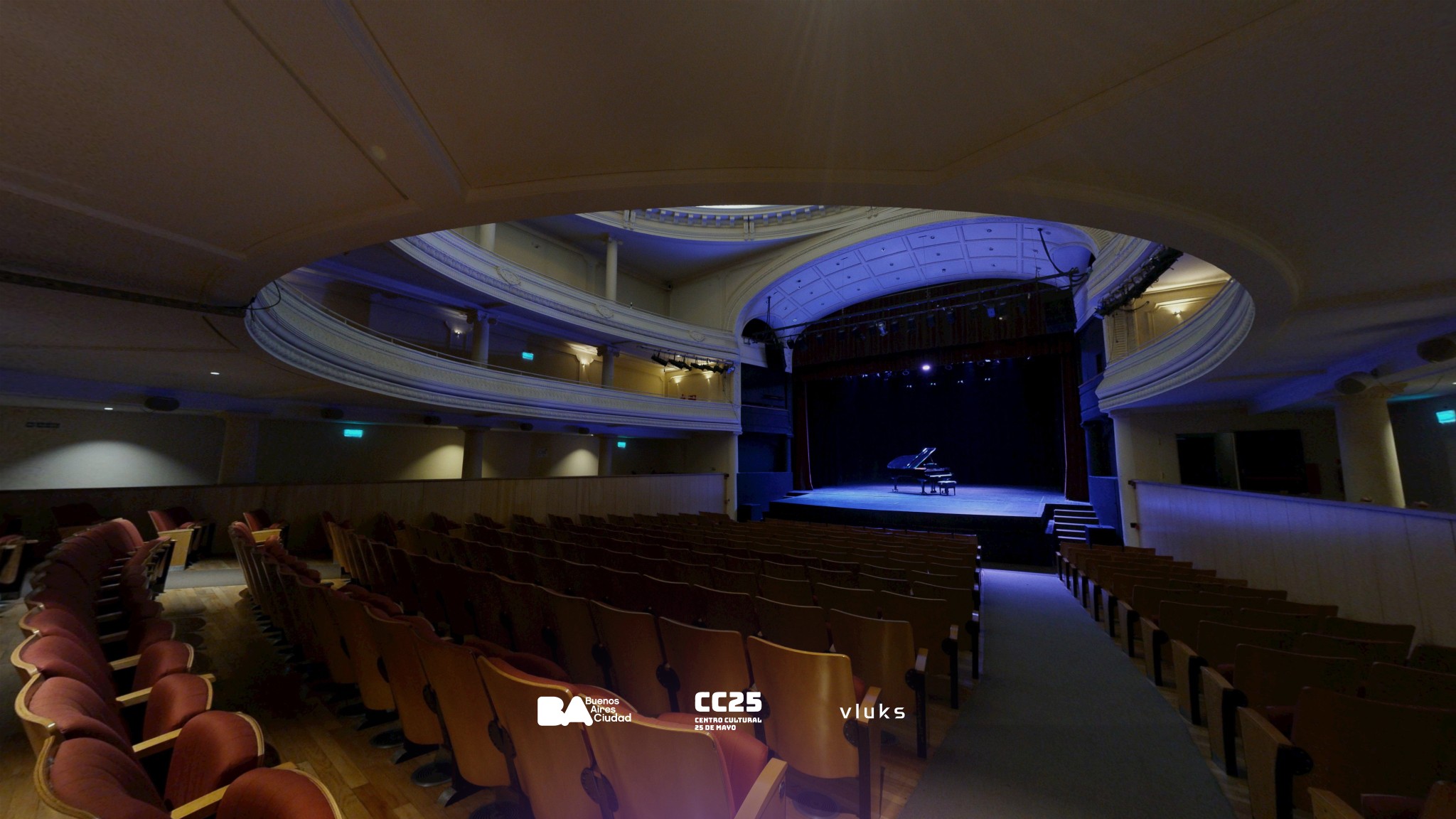
History
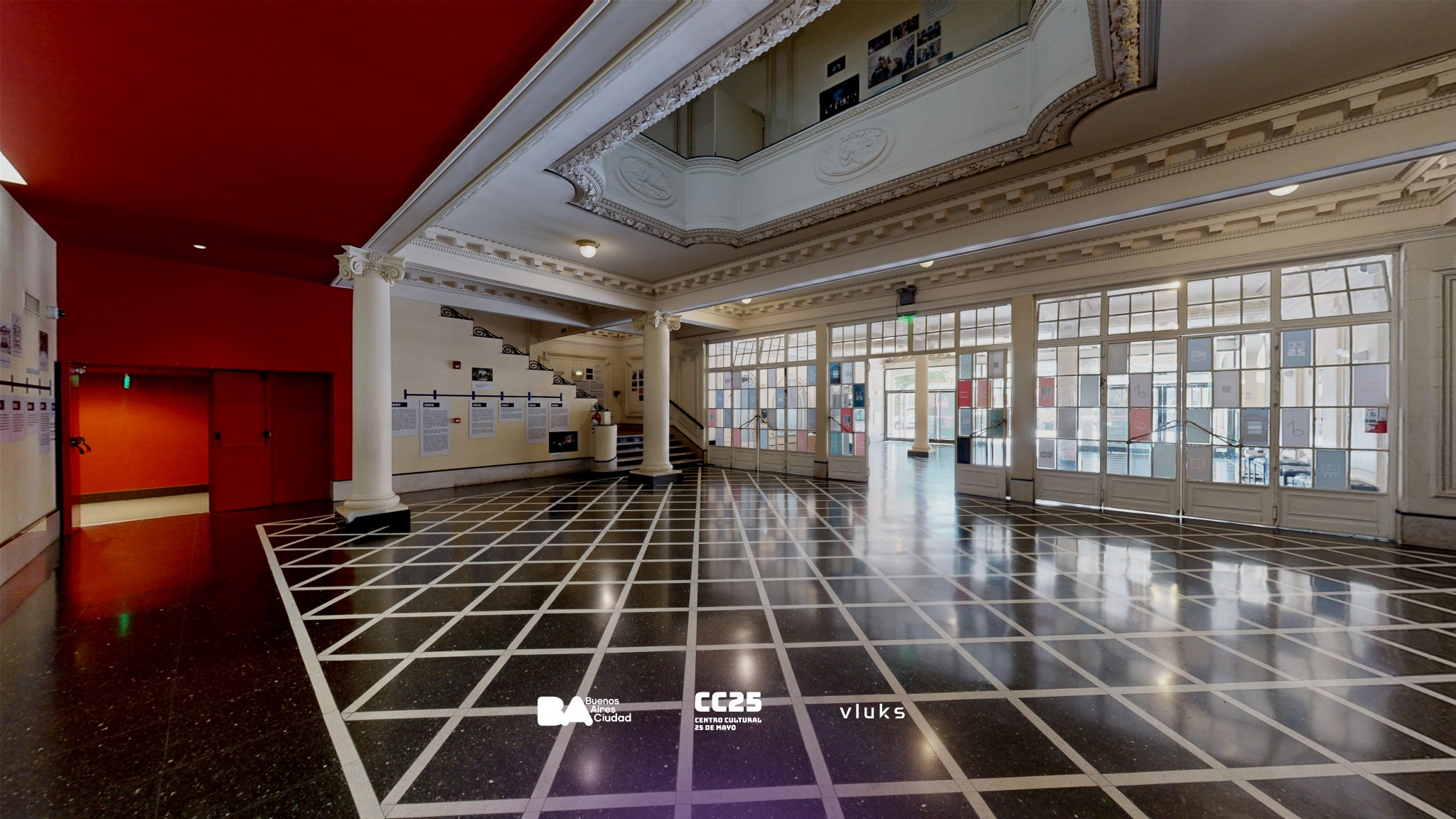
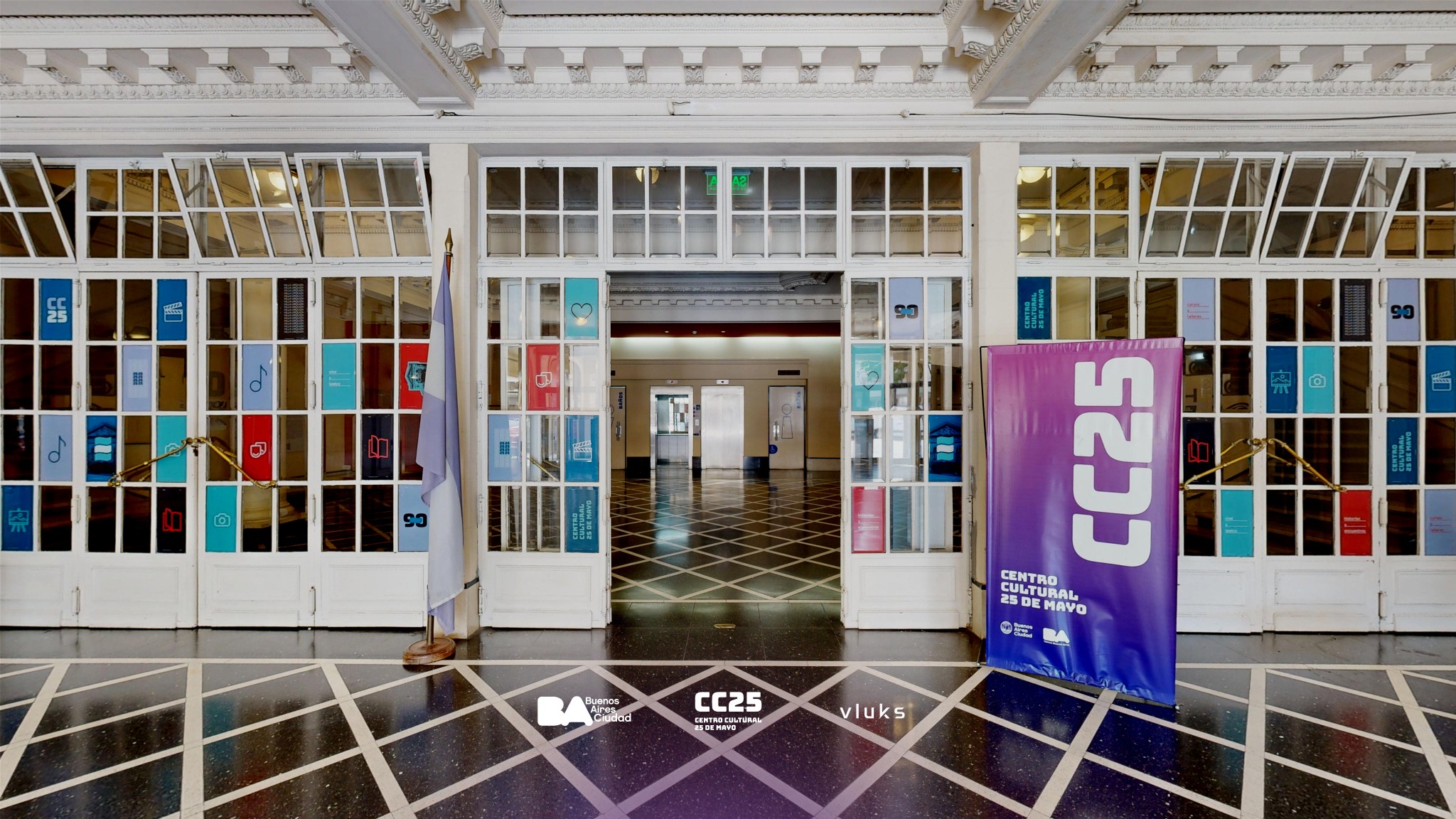
The Cine Teatro 25 de Mayo opened its doors in 1929, driven by neighbors and associations from Villa Urquiza who dreamed of having a grand hall of their own. With over a thousand seats, a stately foyer, and carefully considered decorative details, the “25” was for decades the stage for cinema, theater, and social celebrations in the neighborhood.
In the seventies and eighties, it began to decline, until it closed permanently in 1982. The building was left abandoned and threatened with demolition, but the community organized in assemblies and campaigns to defend it as cultural heritage. This neighborhood mobilization succeeded in having the City declare it of interest and commit to its recovery.
After a restoration process that respected the original appearance and adapted the hall to current technical needs, the building reopened in 2008 as the Centro Cultural 25 de Mayo. Since then it has lit up its marquee again, this time as a public and free space accessible to all.
The CC25 today
The CC25 today offers theater, music, cinema, programming for children, festivals, thematic cycles, workshops, and community projects, combining professional productions with proposals arising from the neighborhood itself.
Its heritage importance
The 25 de Mayo is an example of a neighborhood theater recovered thanks to the struggle of its neighbors and joint work with the City. Its building and its history show how heritage can be preserved and reinterpreted, becoming a cultural center that strengthens the identity of Villa Urquiza and Buenos Aires.
The 25 de Mayo is an example of a neighborhood theater recovered thanks to the joint work between neighbors and the State. Its building and its history show how heritage can be preserved and reinterpreted, becoming a cultural center that strengthens the identity of Villa Urquiza and the City.
History
The Cine Teatro 25 de Mayo opened its doors in 1929, driven by neighbors and associations from Villa Urquiza who dreamed of having a grand hall of their own. With over a thousand seats, a stately foyer, and carefully considered decorative details, the “25” was for decades the stage for cinema, theater, and social celebrations in the neighborhood.
In the seventies and eighties, it began to decline, until it closed permanently in 1982. The building was left abandoned and threatened with demolition, but the community organized in assemblies and campaigns to defend it as cultural heritage. This neighborhood mobilization succeeded in having the City declare it of interest and commit to its recovery.
After a restoration process that respected the original appearance and adapted the hall to current technical needs, the building reopened in 2008 as the Centro Cultural 25 de Mayo. Since then it has lit up its marquee again, this time as a public and free space accessible to all.
The CC25 today
The CC25 today offers theater, music, cinema, programming for children, festivals, thematic cycles, workshops, and community projects, combining professional productions with proposals arising from the neighborhood itself.
Its heritage importance
The 25 de Mayo is an example of a neighborhood theater recovered thanks to the struggle of its neighbors and joint work with the City. Its building and its history show how heritage can be preserved and reinterpreted, becoming a cultural center that strengthens the identity of Villa Urquiza and Buenos Aires.
The 25 de Mayo is an example of a neighborhood theater recovered thanks to the joint work between neighbors and the State. Its building and its history show how heritage can be preserved and reinterpreted, becoming a cultural center that strengthens the identity of Villa Urquiza and the City.
Featured spaces
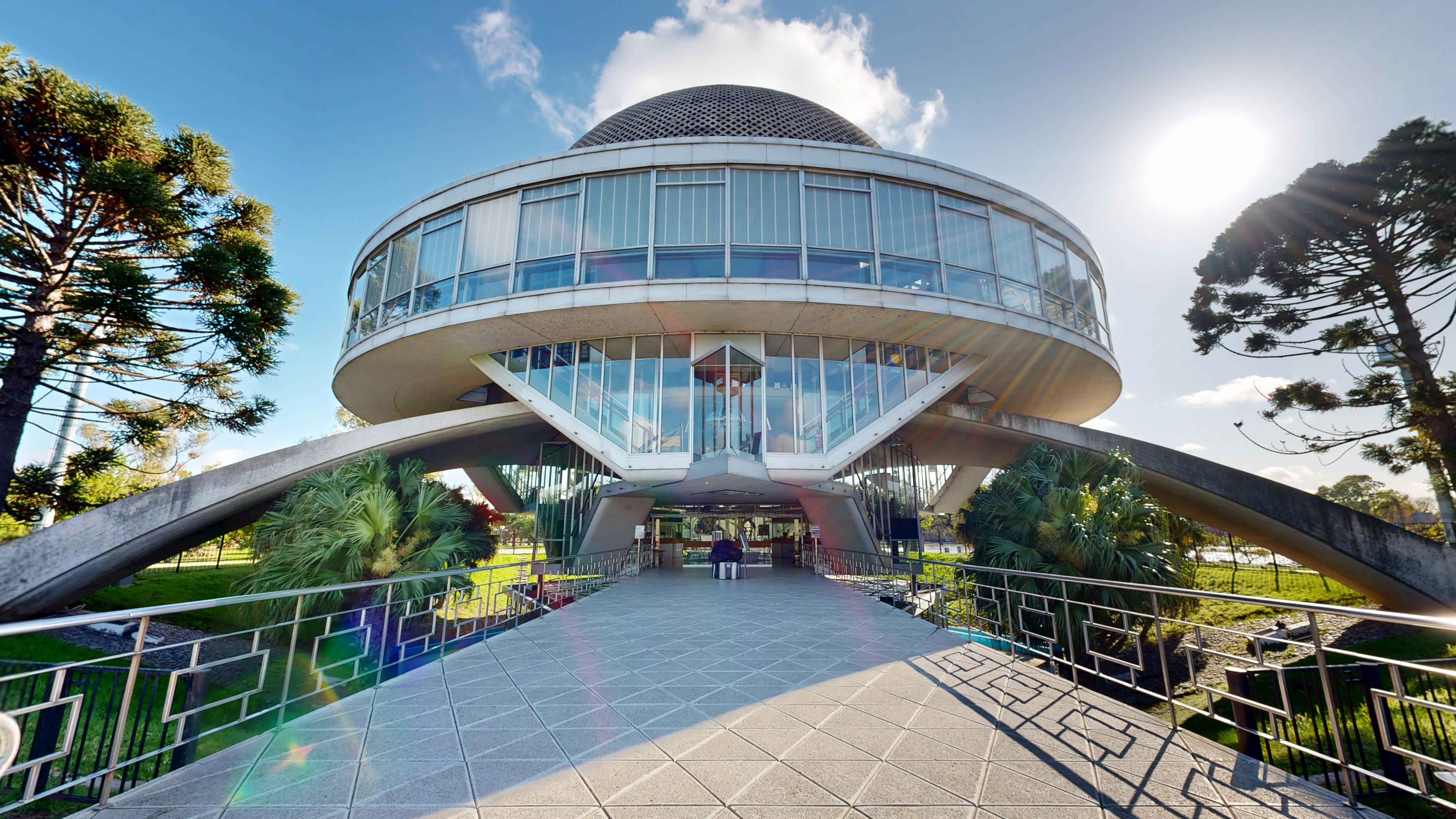

Galileo Galilei Planetarium
Galileo Galilei Planetarium
Galileo Galilei Planetarium
Museum
Museum
Infantil
Infantil
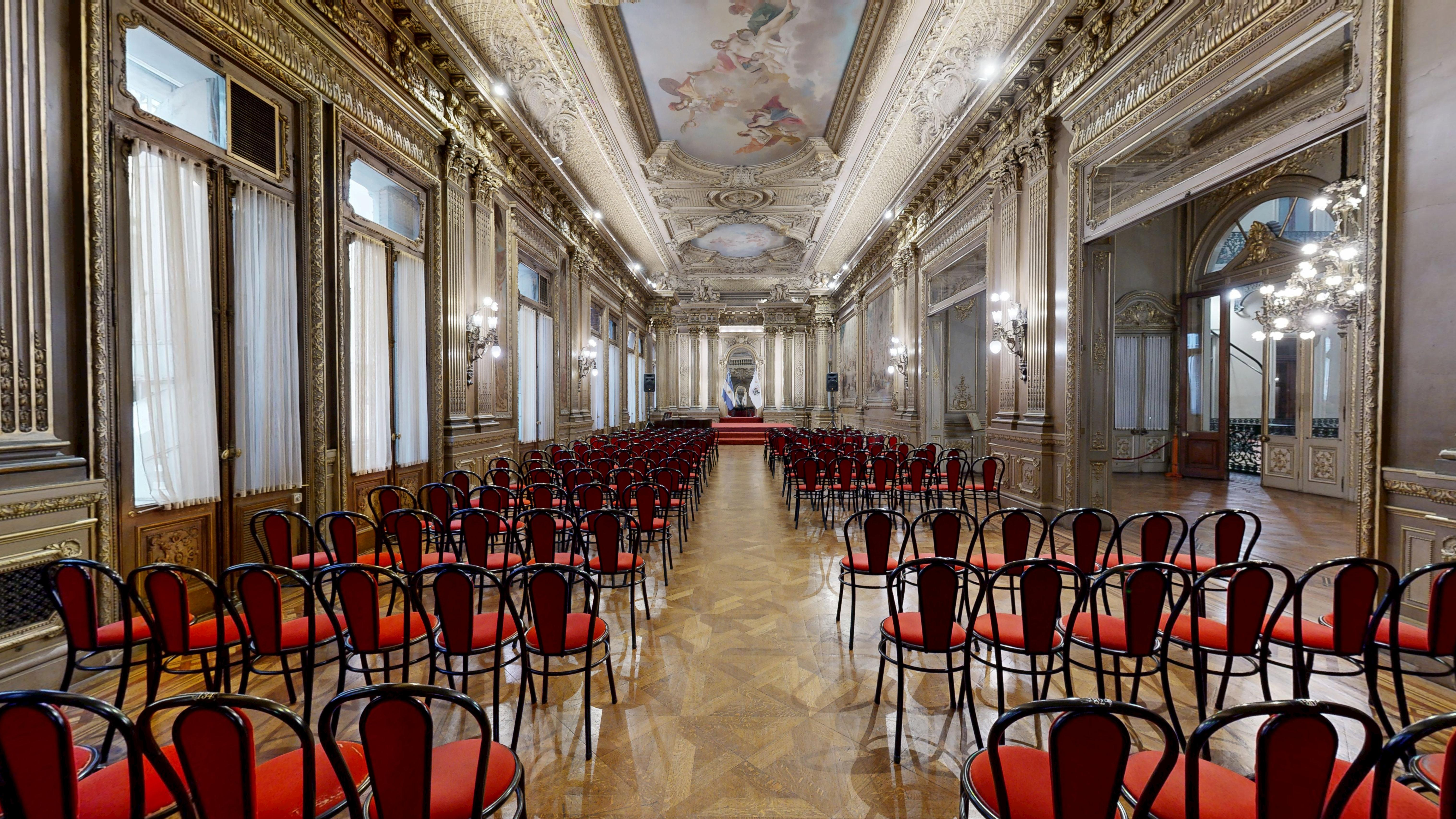

House of Culture
House of Culture
House of Culture
Cultural Center
Cultural Center
Concert hall
Concert hall
25 de Mayo Cultural Center
25 de Mayo Cultural Center
25 de Mayo Cultural Center
Cultural Center
Cultural Center
Concert hall
Concert hall
Theater
Theater
Created by

Vluks Media
Created by
Vluks Media
Created by
Vluks Media
Created by
Vluks Media