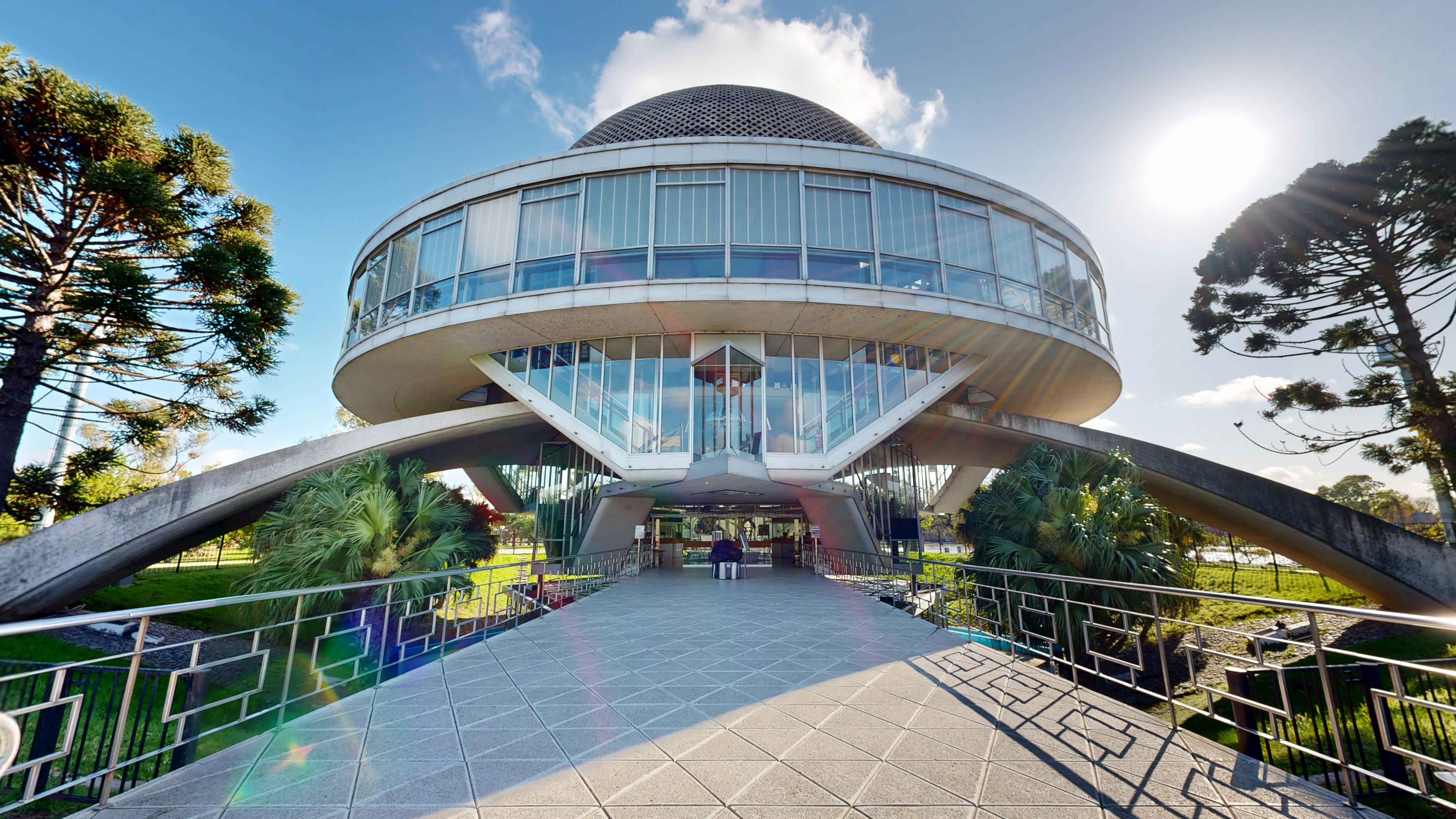

Galileo Galilei Planetarium
Museum
Infantil
Neighborhood
Palermo
Palermo
Founded in
1966
1966
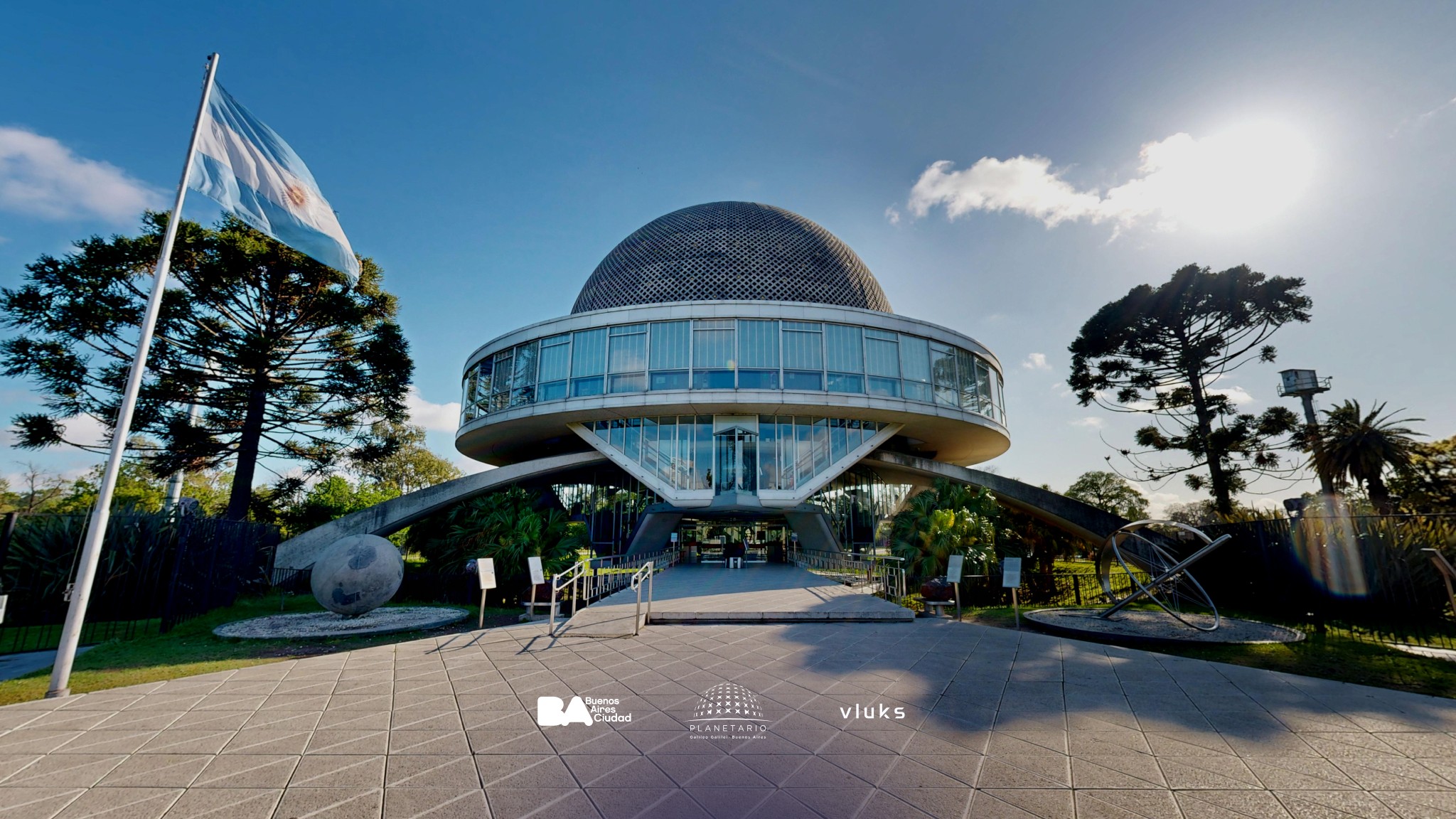
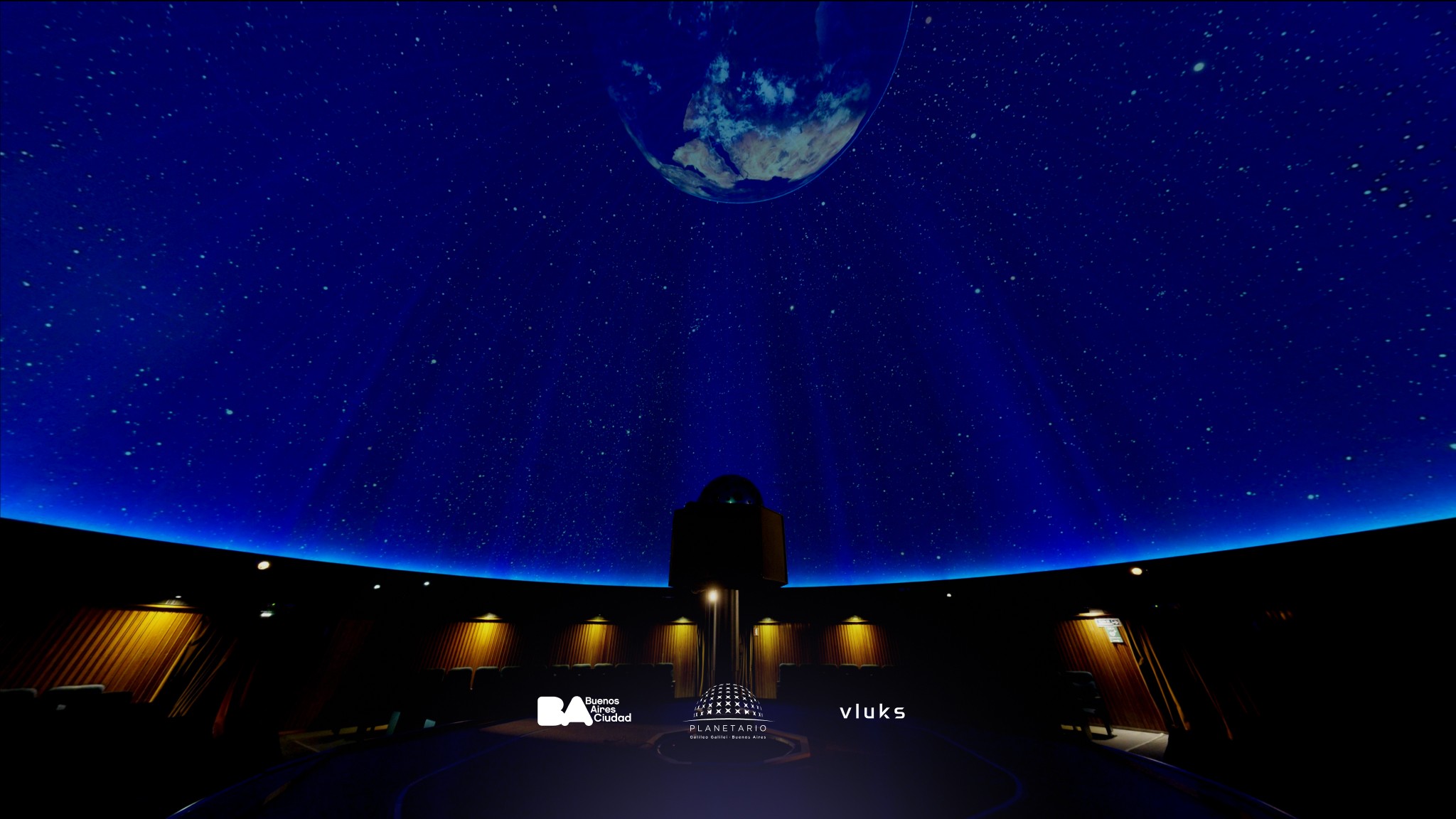
The futuristic icon of Palermo that invites you to look at the sky from Buenos Aires. A planetarium and interactive museum dedicated to the dissemination of astronomy, with immersive shows under a dome 20 meters in diameter.
The futuristic icon of Palermo that invites you to look at the sky from Buenos Aires. A planetarium and interactive museum dedicated to the dissemination of astronomy, with immersive shows under a dome 20 meters in diameter.
History
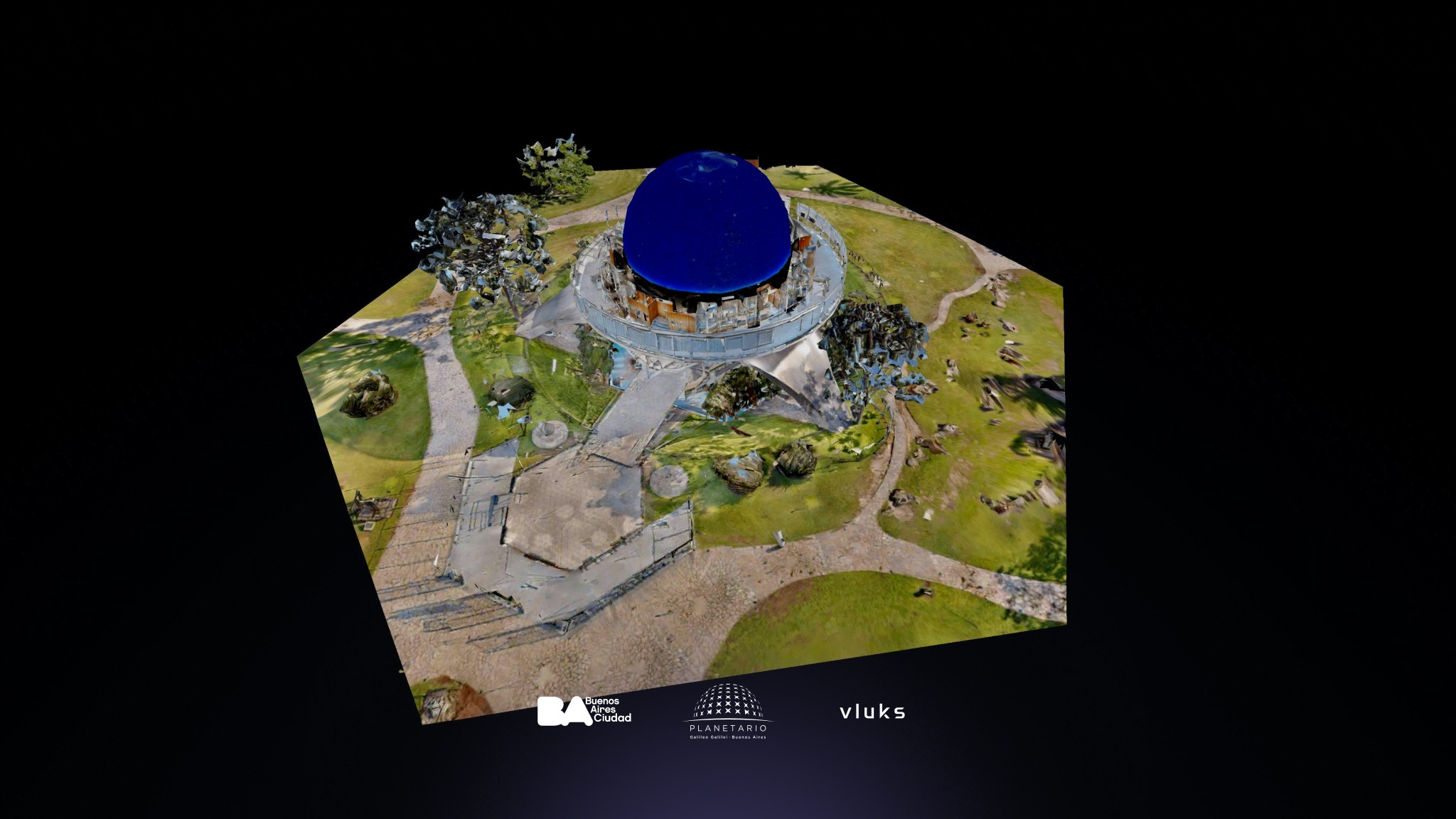
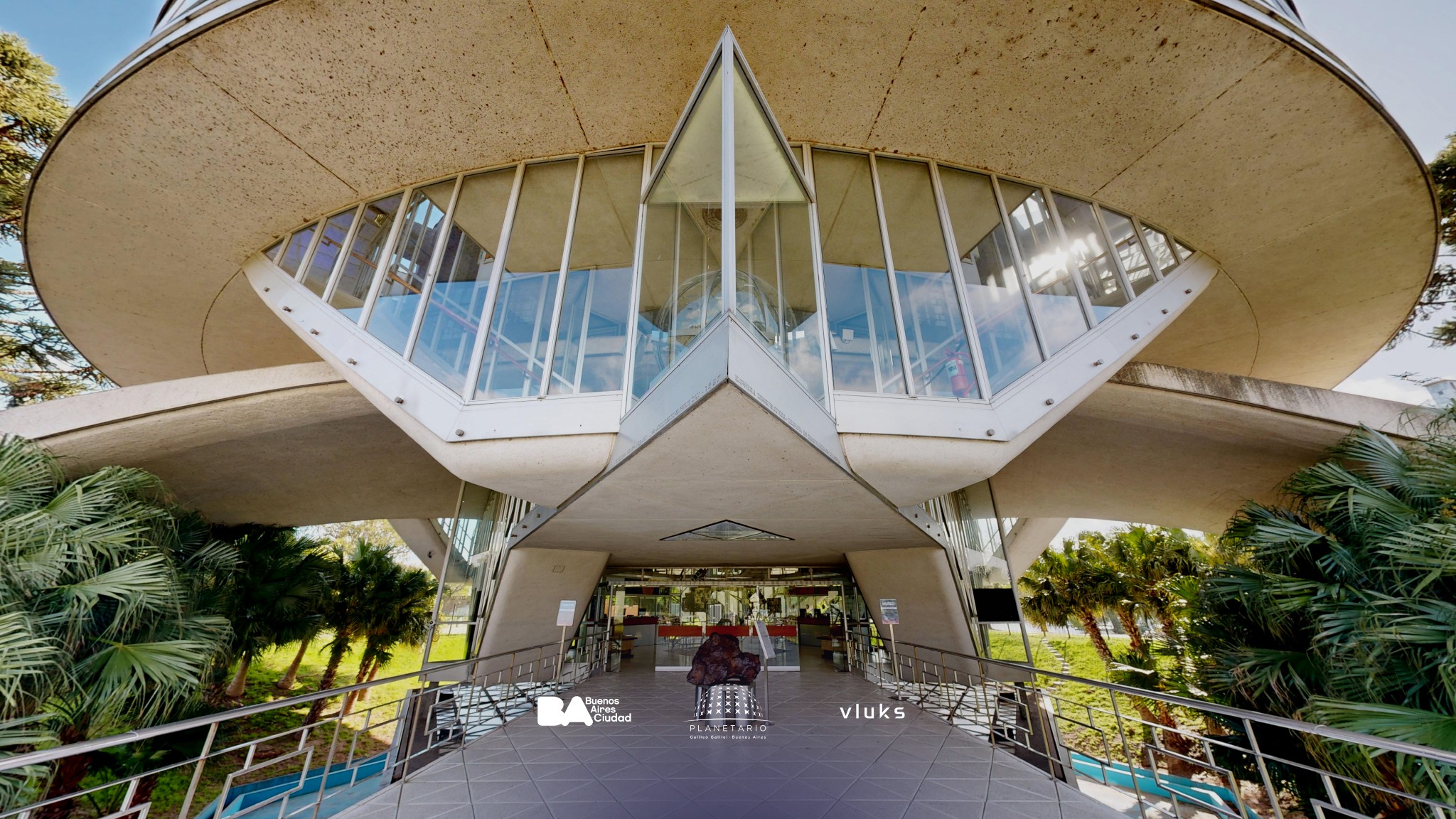
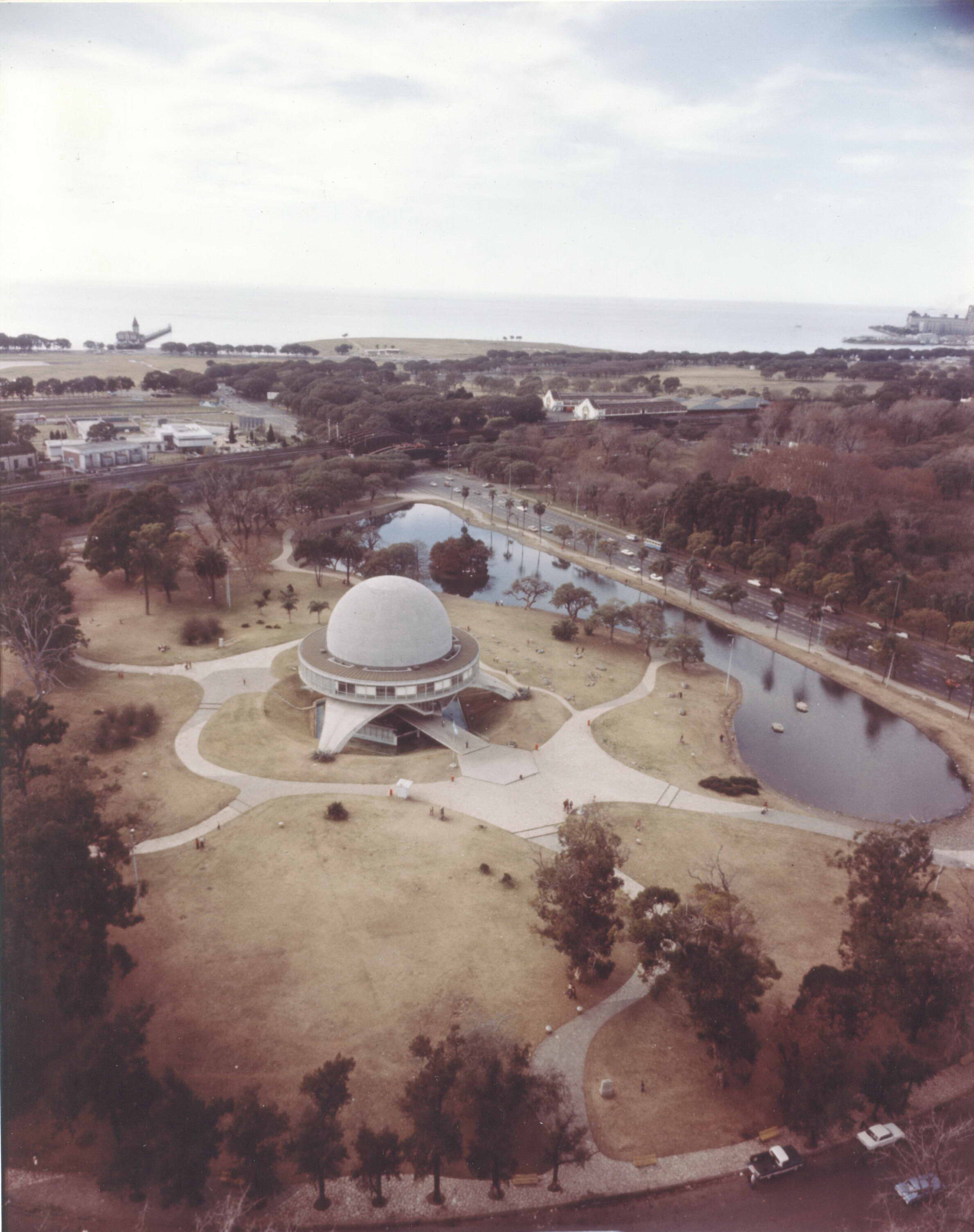
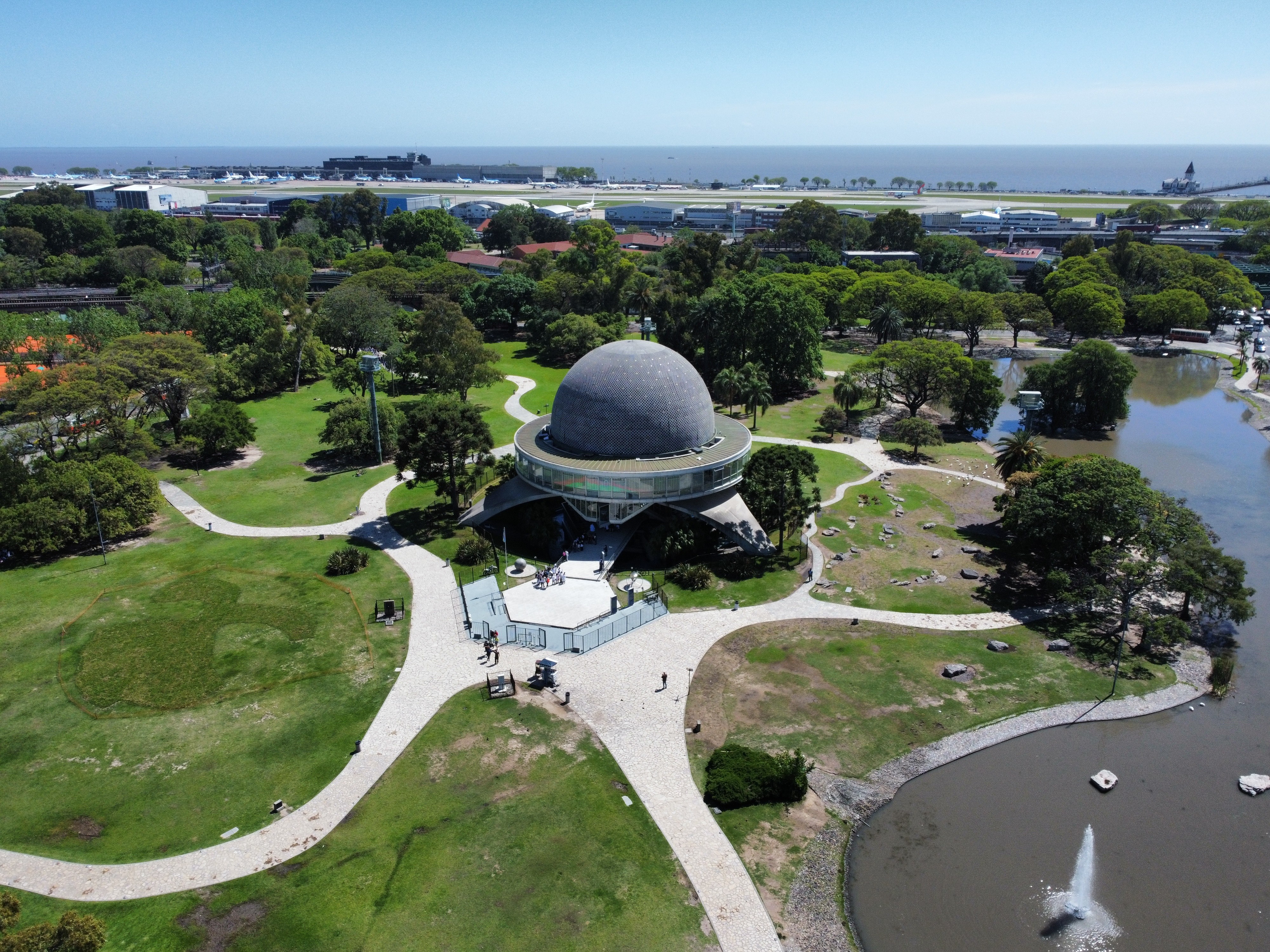
The Galileo Galilei Planetarium was born from the idea of bringing astronomy closer to the daily life of Buenos Aires. In the late 1950s, the City promoted the construction of a building dedicated to watching the sky, and in 1962, work began in the Palermo Woods. The sphere and the columns that support it immediately gave it a futuristic air, different from everything around it.
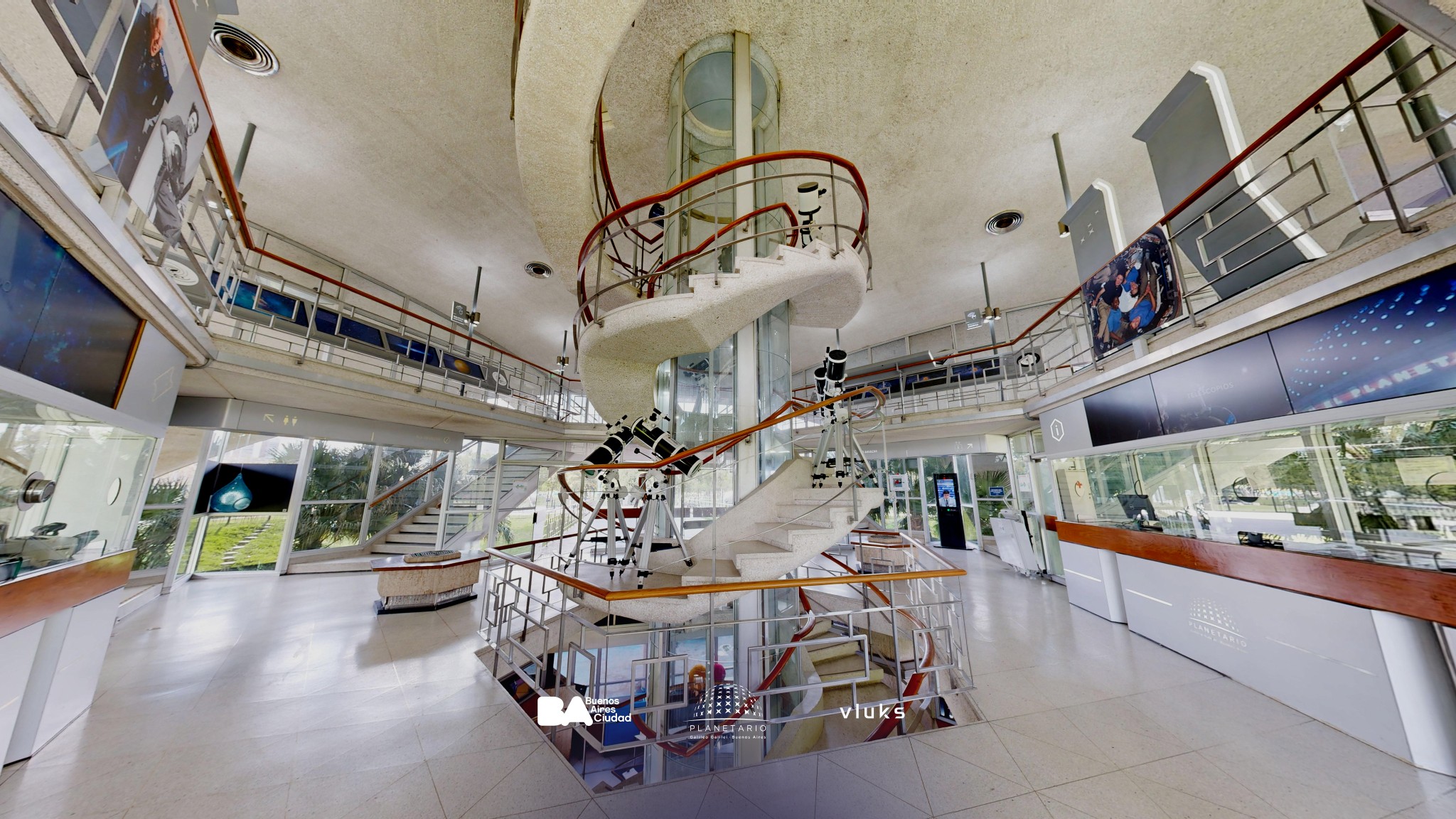
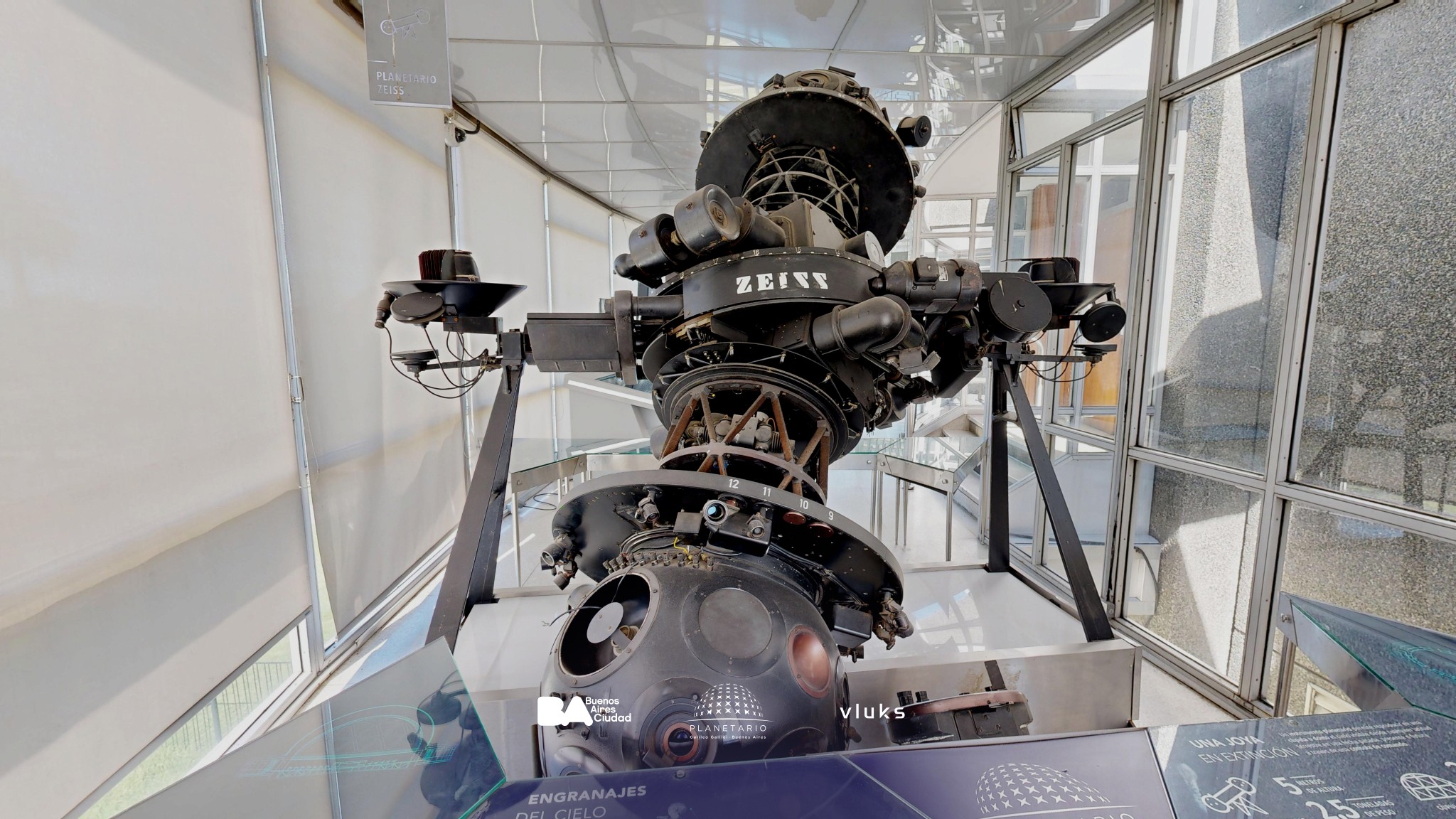
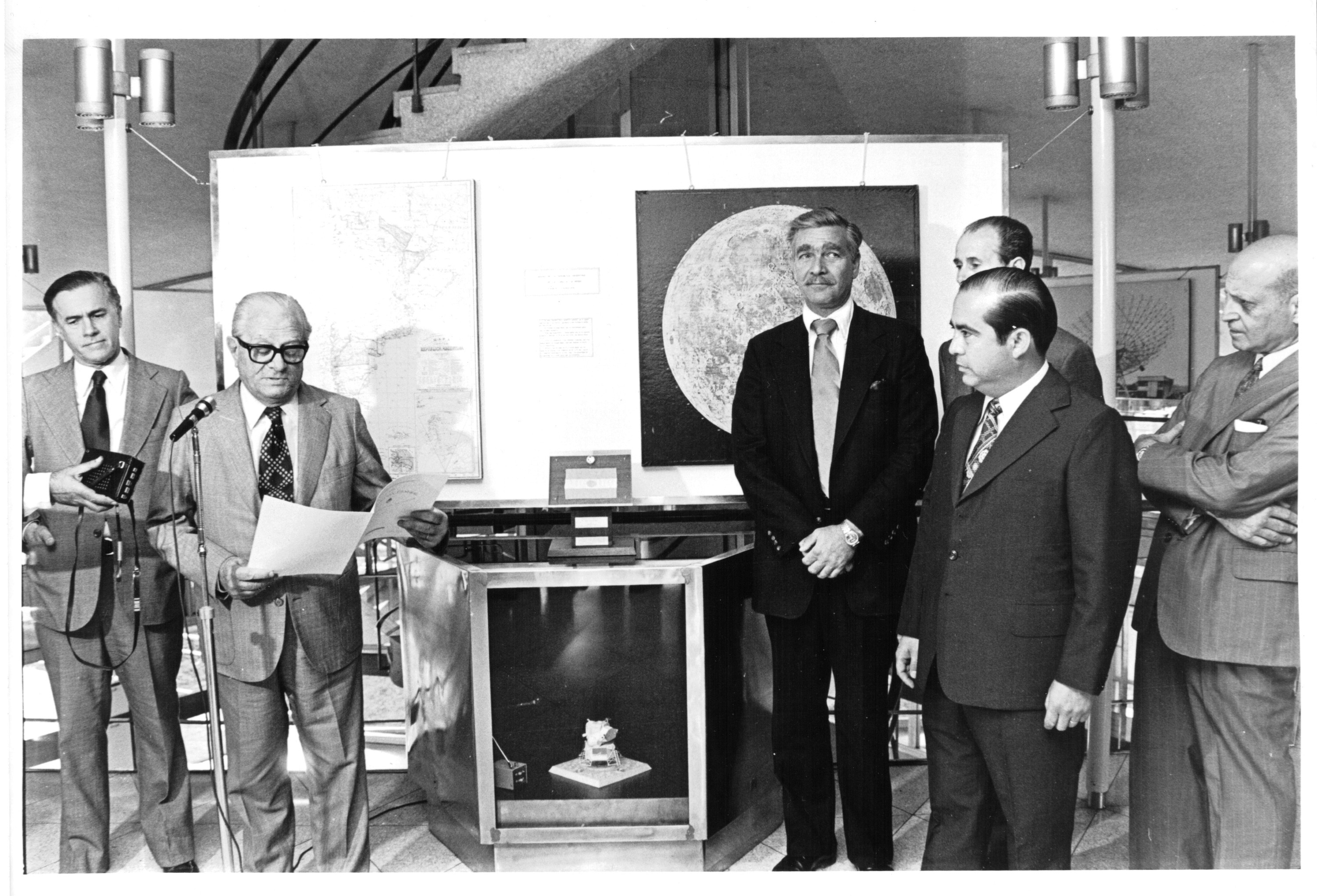
The building was inaugurated in 1966, and the first astronomical show took place in 1967, on a dome with a diameter of twenty meters. With its star projector, models of the solar system, and unique pieces such as the Campo del Cielo meteorite, the Planetarium quickly became a place of scientific initiation for kids and adults.
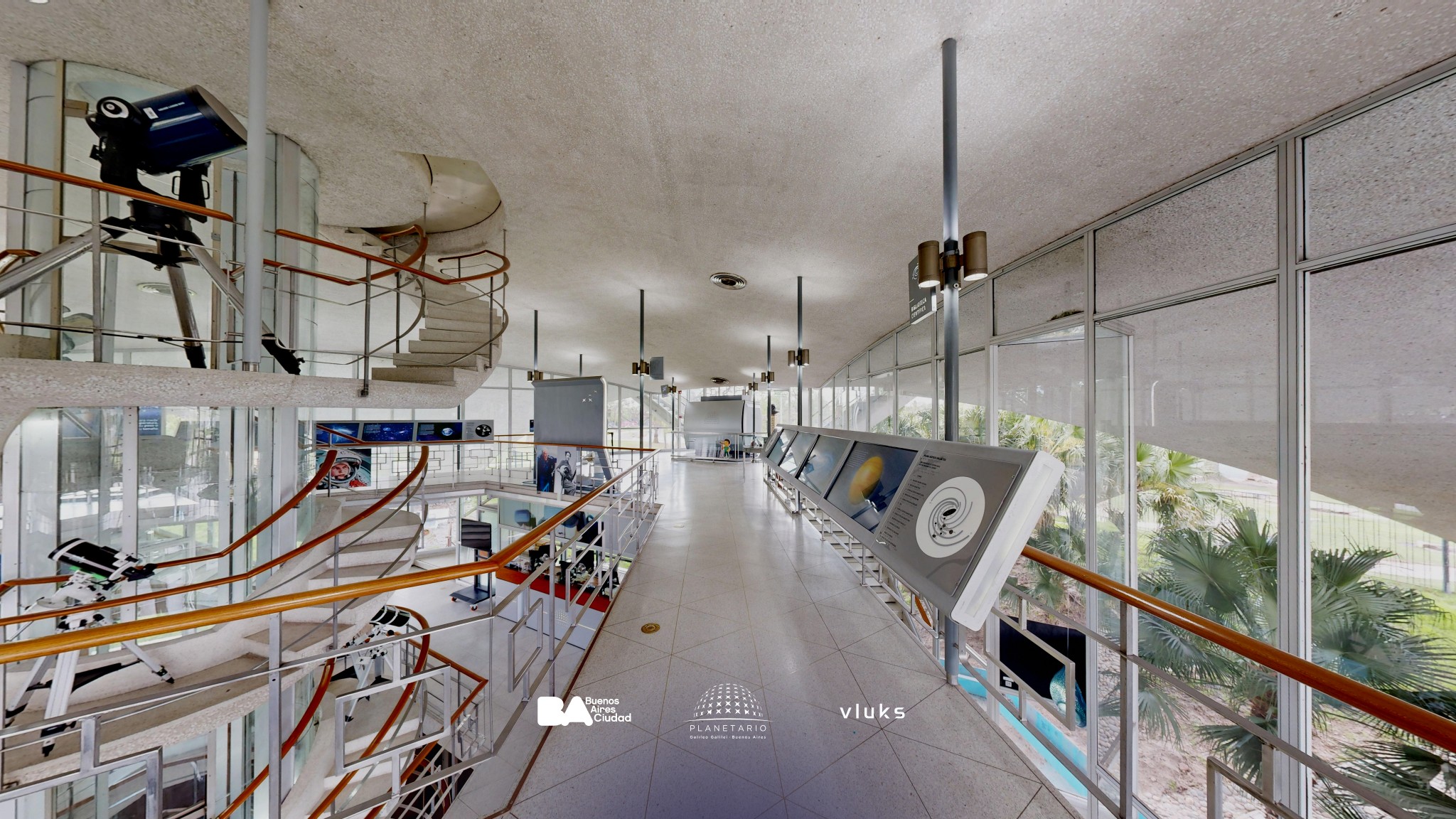
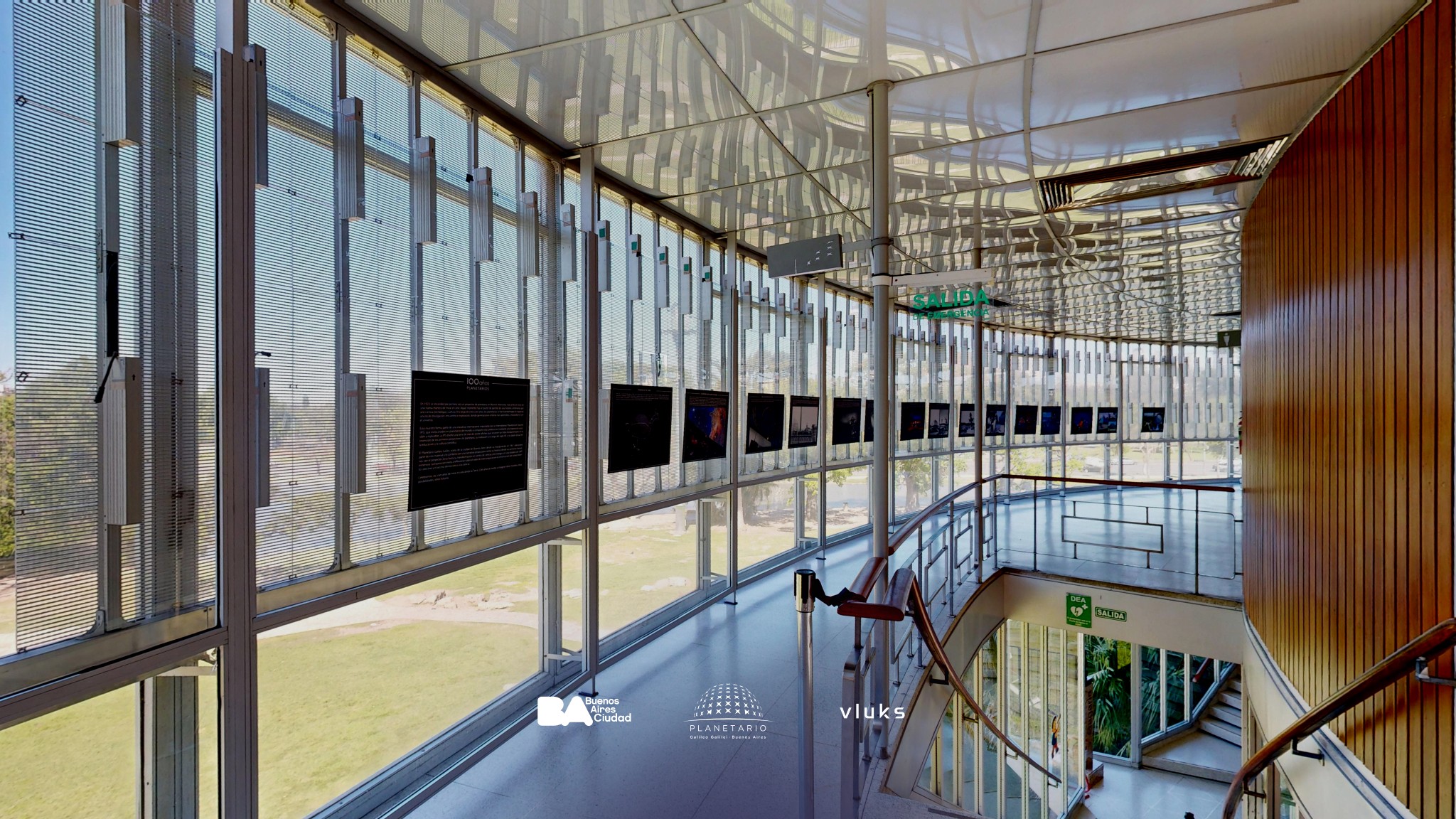
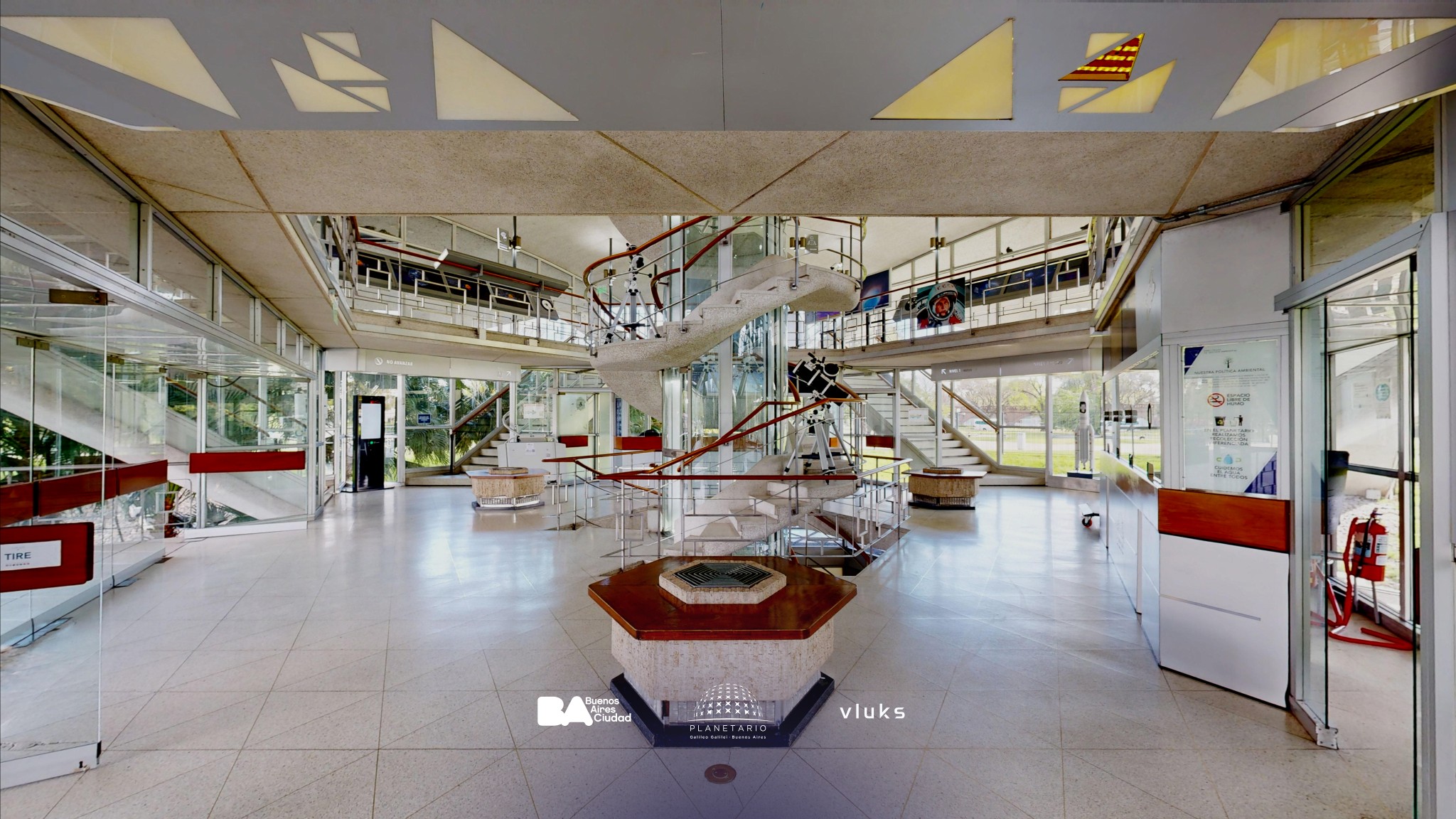
Over the decades, the Planetarium updated its equipment and spaces. It incorporated fulldome digital systems, renewed seats, added an interactive museum, and exhibition areas. Amid renovations and enhancements, it always maintained the same mission: to provide a clear window to the universe from Buenos Aires.
The Planetarium Today
The Planetarium today offers immersive shows under the dome, fulldome experiences, telescope observations, guided tours, workshops for children, courses for young people and adults, and special activities on astronomical dates, combining science, play, and technology for all types of audiences.
Its Heritage Importance
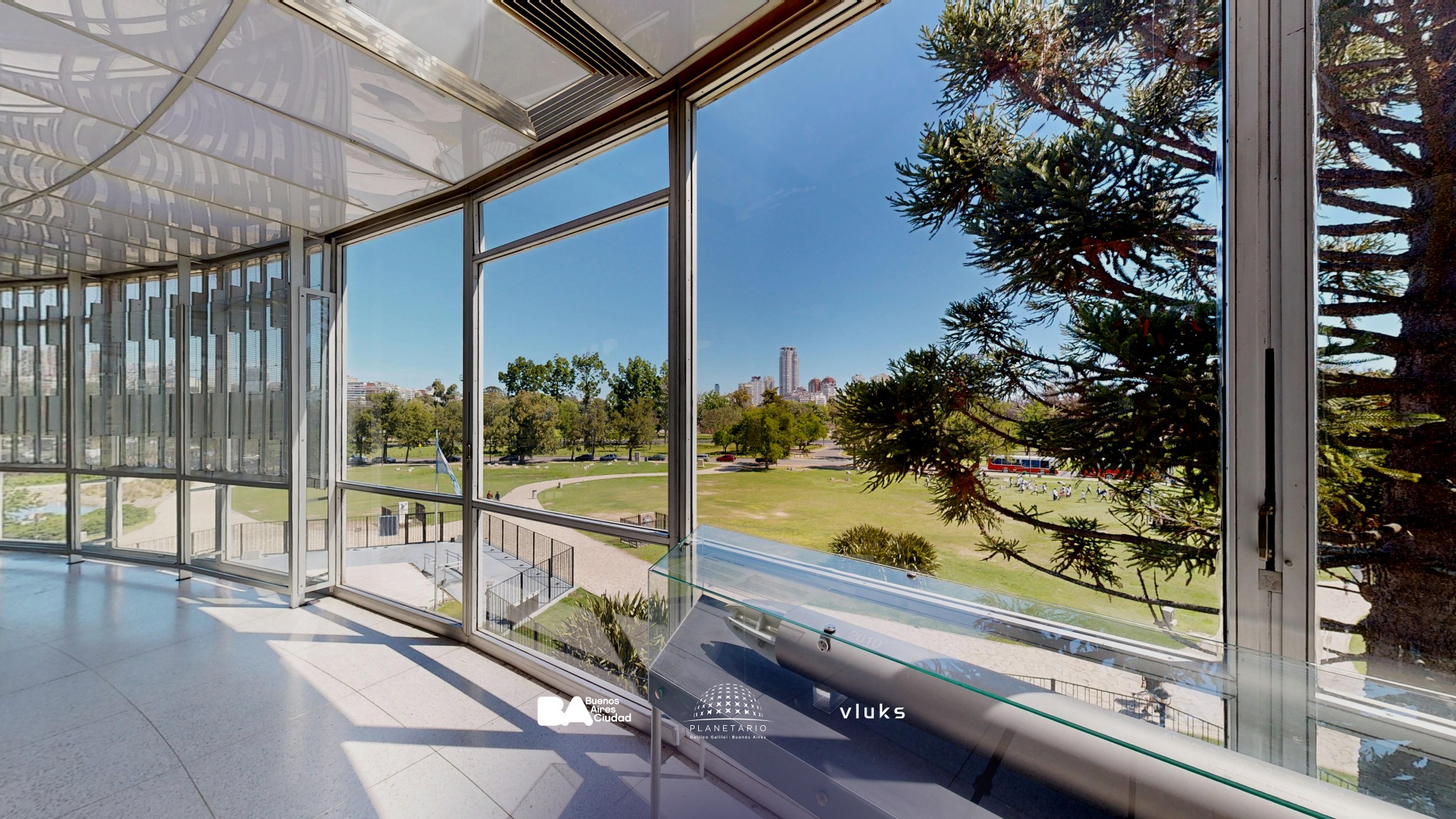
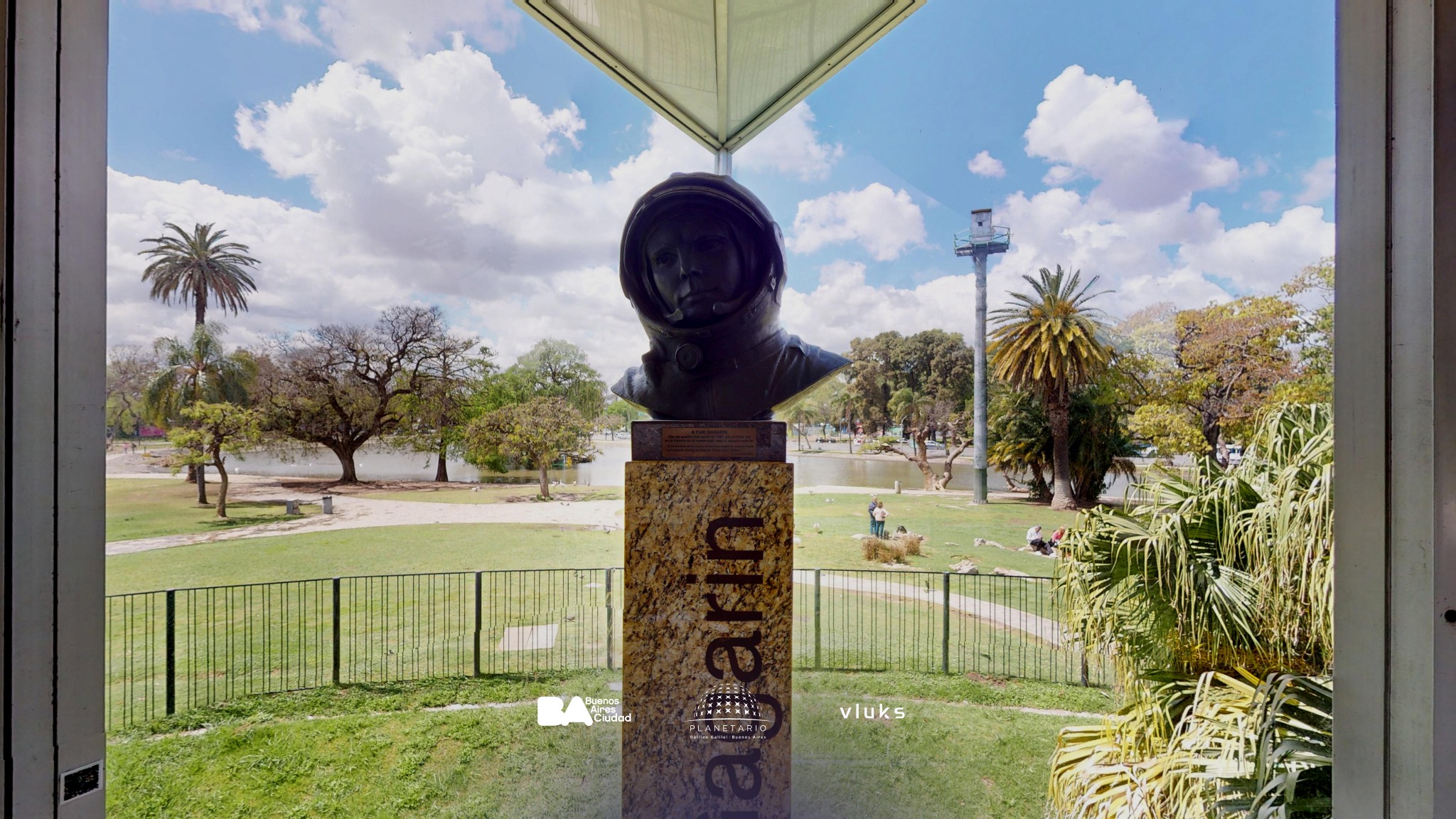
The Planetarium is part of the heritage of Buenos Aires because it offers a space dedicated to exploring the universe from the city, bringing astronomy into the day-to-day life of anyone. Generations of students, scientists, teachers, and families have passed through its dome to learn to read the sky, recognize stars, and follow space missions without leaving the neighborhood. Its futuristic architecture and its agenda of shows, courses, and observations make it an urban icon and a door always open to scientific curiosity.
History
The Galileo Galilei Planetarium was born from the idea of bringing astronomy closer to the daily life of Buenos Aires. In the late 1950s, the City promoted the construction of a building dedicated to watching the sky, and in 1962, work began in the Palermo Woods. The sphere and the columns that support it immediately gave it a futuristic air, different from everything around it.
The building was inaugurated in 1966, and the first astronomical show took place in 1967, on a dome with a diameter of twenty meters. With its star projector, models of the solar system, and unique pieces such as the Campo del Cielo meteorite, the Planetarium quickly became a place of scientific initiation for kids and adults.
Over the decades, the Planetarium updated its equipment and spaces. It incorporated fulldome digital systems, renewed seats, added an interactive museum, and exhibition areas. Amid renovations and enhancements, it always maintained the same mission: to provide a clear window to the universe from Buenos Aires.
The Planetarium Today
The Planetarium today offers immersive shows under the dome, fulldome experiences, telescope observations, guided tours, workshops for children, courses for young people and adults, and special activities on astronomical dates, combining science, play, and technology for all types of audiences.
Its Heritage Importance
The Planetarium is part of the heritage of Buenos Aires because it offers a space dedicated to exploring the universe from the city, bringing astronomy into the day-to-day life of anyone. Generations of students, scientists, teachers, and families have passed through its dome to learn to read the sky, recognize stars, and follow space missions without leaving the neighborhood. Its futuristic architecture and its agenda of shows, courses, and observations make it an urban icon and a door always open to scientific curiosity.
Featured spaces
Galileo Galilei Planetarium
Galileo Galilei Planetarium
Galileo Galilei Planetarium
Museum
Museum
Infantil
Infantil
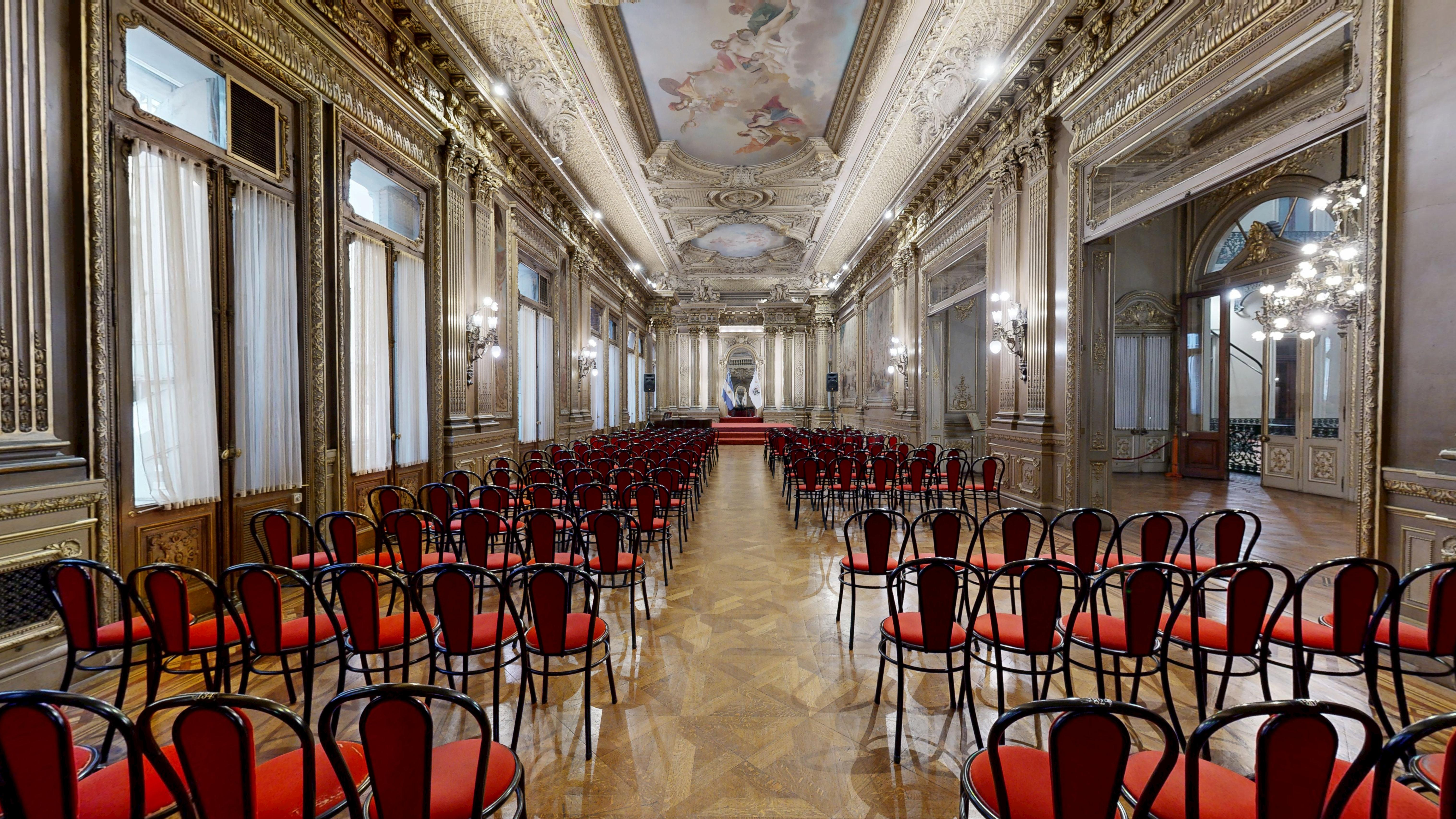

House of Culture
House of Culture
House of Culture
Cultural Center
Cultural Center
Concert hall
Concert hall
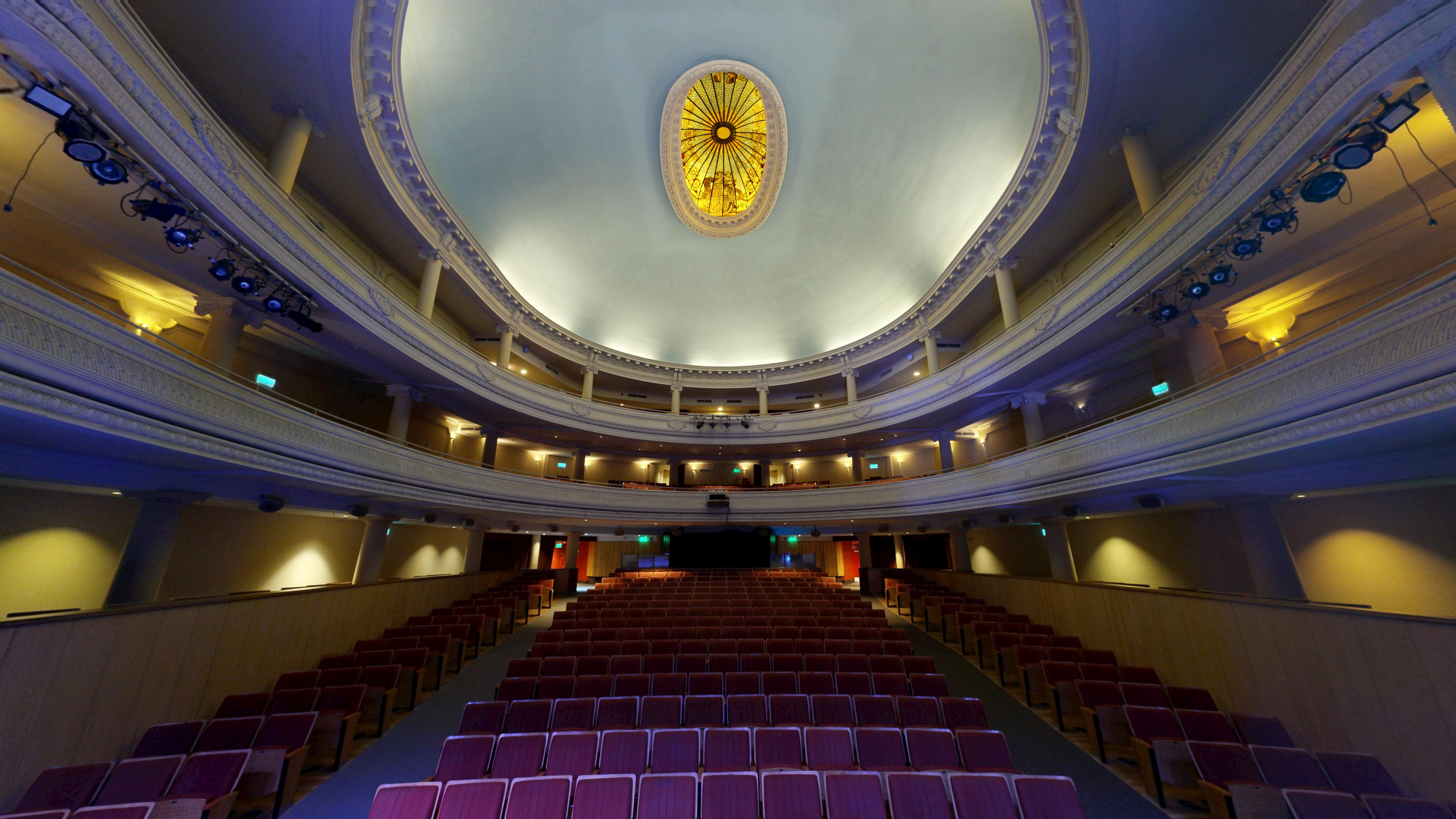

25 de Mayo Cultural Center
25 de Mayo Cultural Center
25 de Mayo Cultural Center
Cultural Center
Cultural Center
Concert hall
Concert hall
Theater
Theater
Created by

Vluks Media
Created by
Vluks Media
Created by
Vluks Media
Created by
Vluks Media