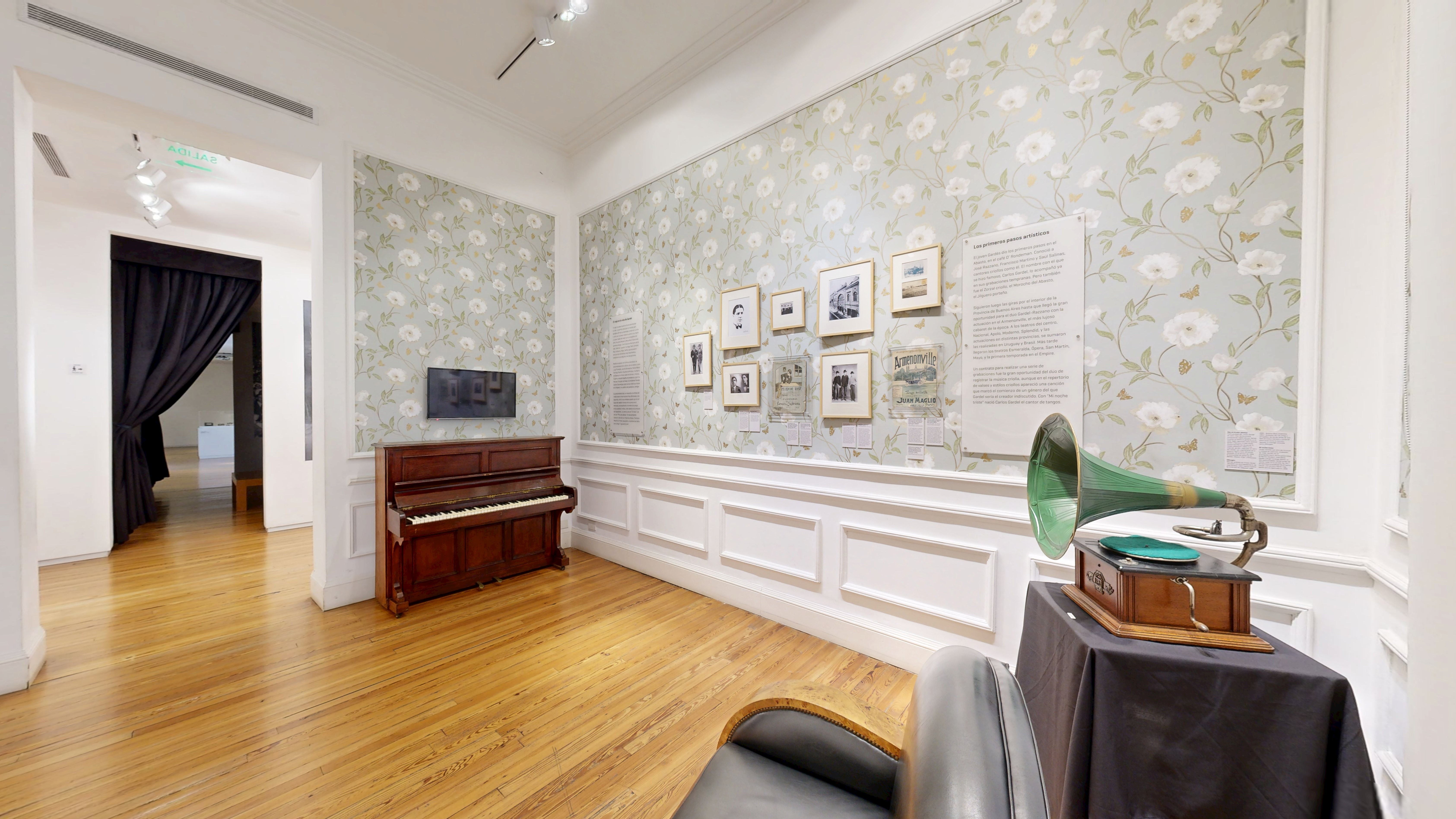

Carlos Gardel House Museum
Museum
Concert hall
Neighborhood
Balvanera
Balvanera
Founded in
2003
2003
The last porteño house of Carlos Gardel, transformed into a museum to preserve his legacy. An intimate space in Abasto where the history of tango, neighborhood memory, and sound archive intersect.
The last porteño house of Carlos Gardel, transformed into a museum to preserve his legacy. An intimate space in Abasto where the history of tango, neighborhood memory, and sound archive intersect.
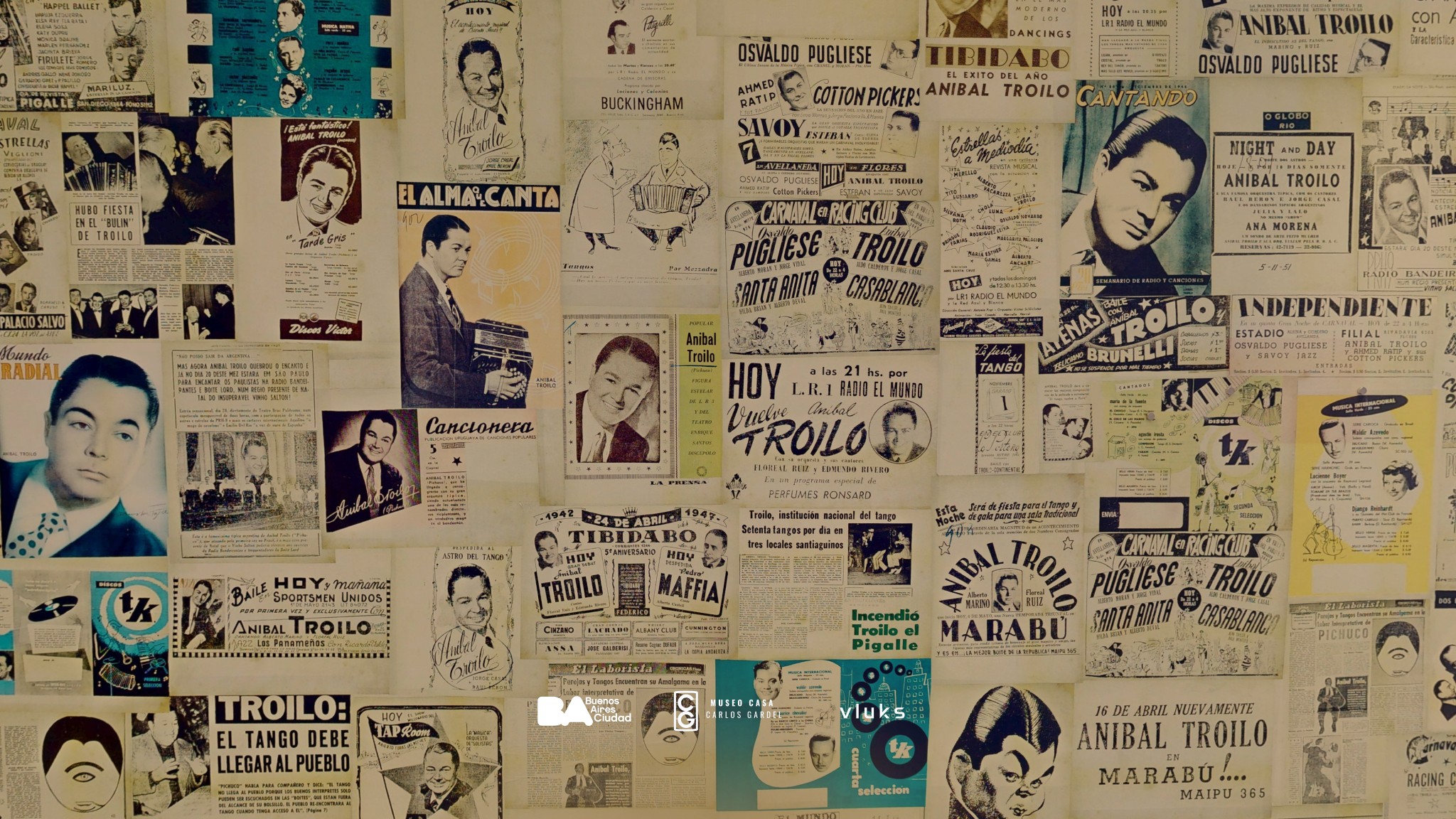
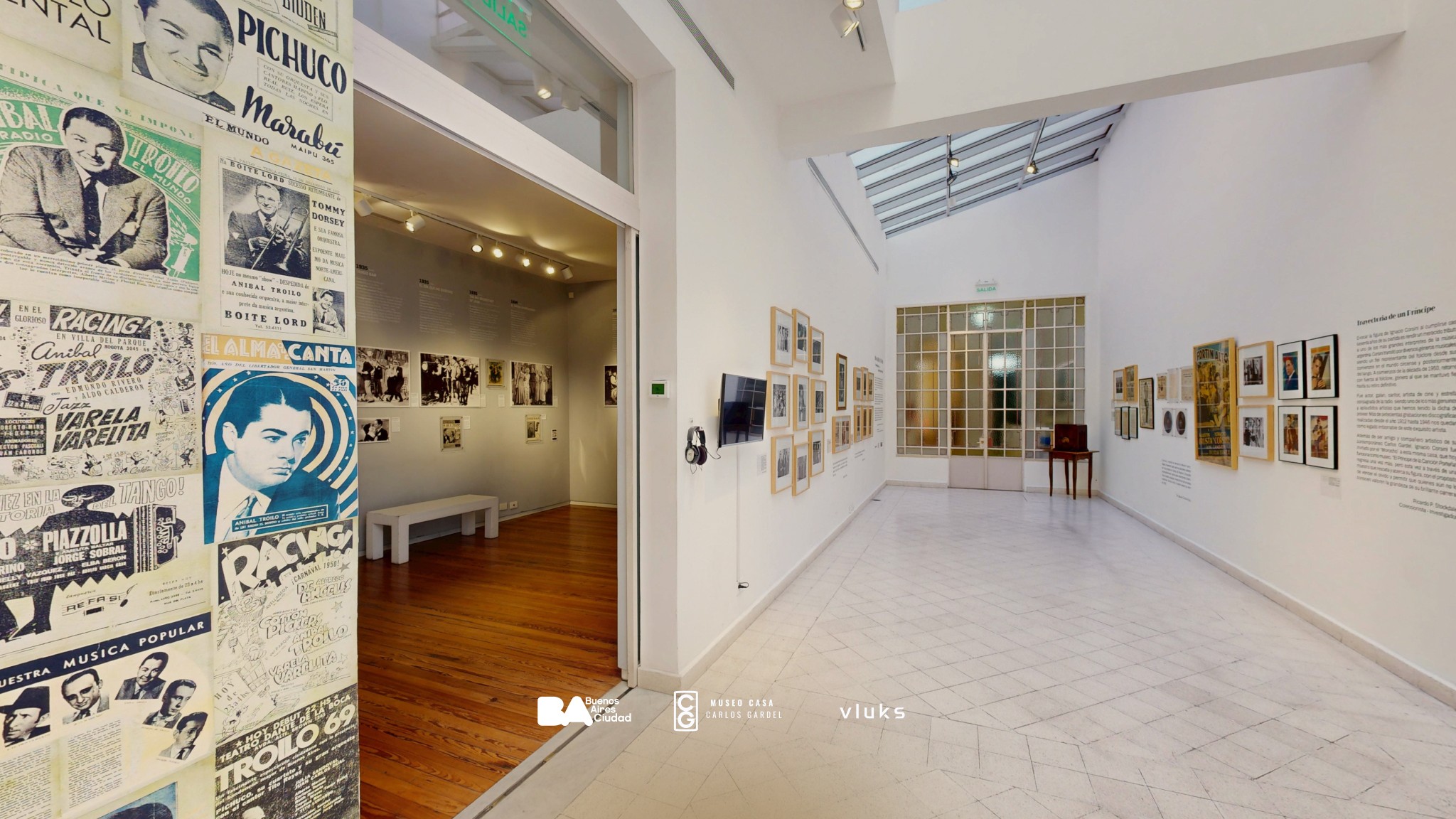
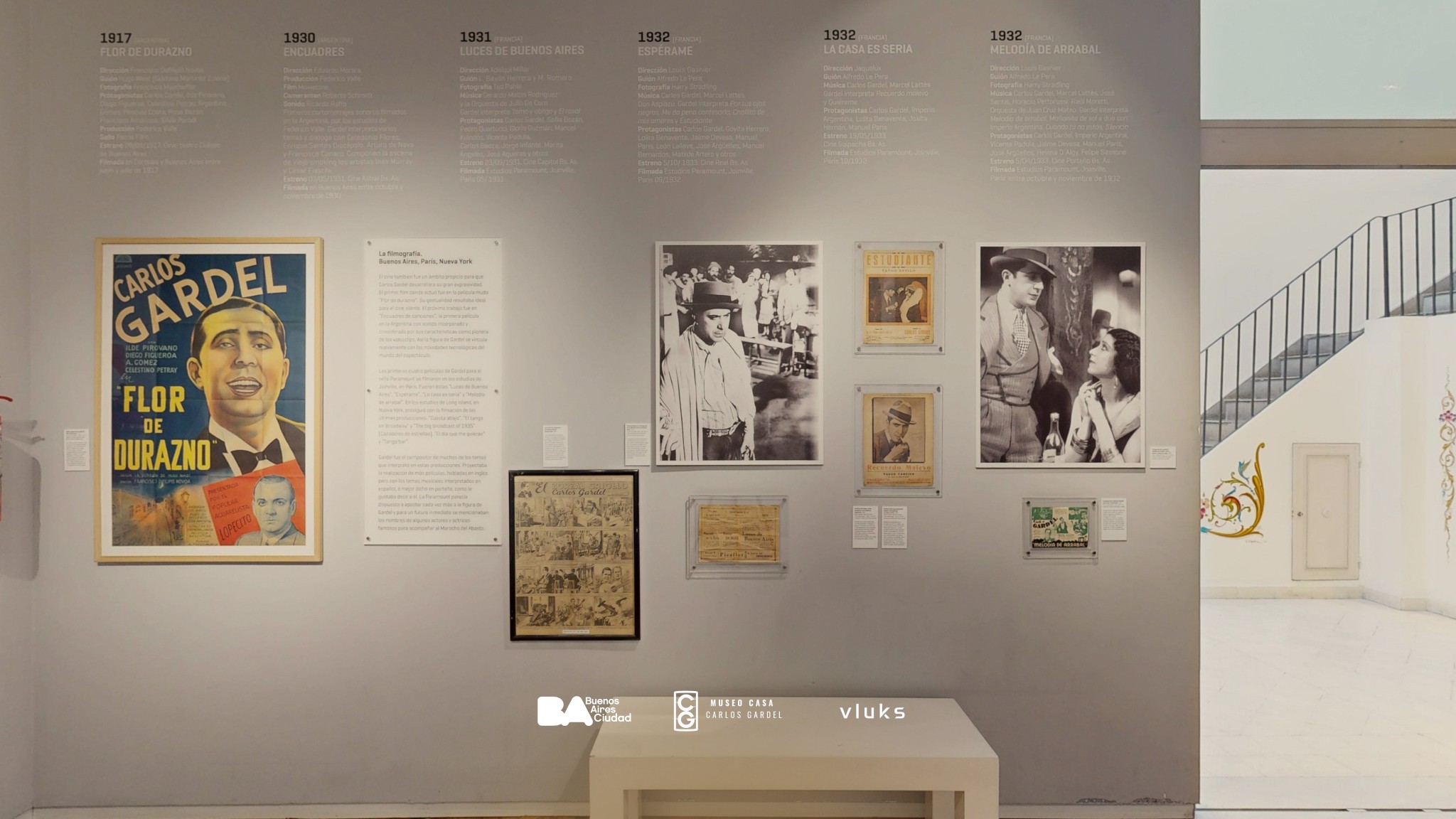
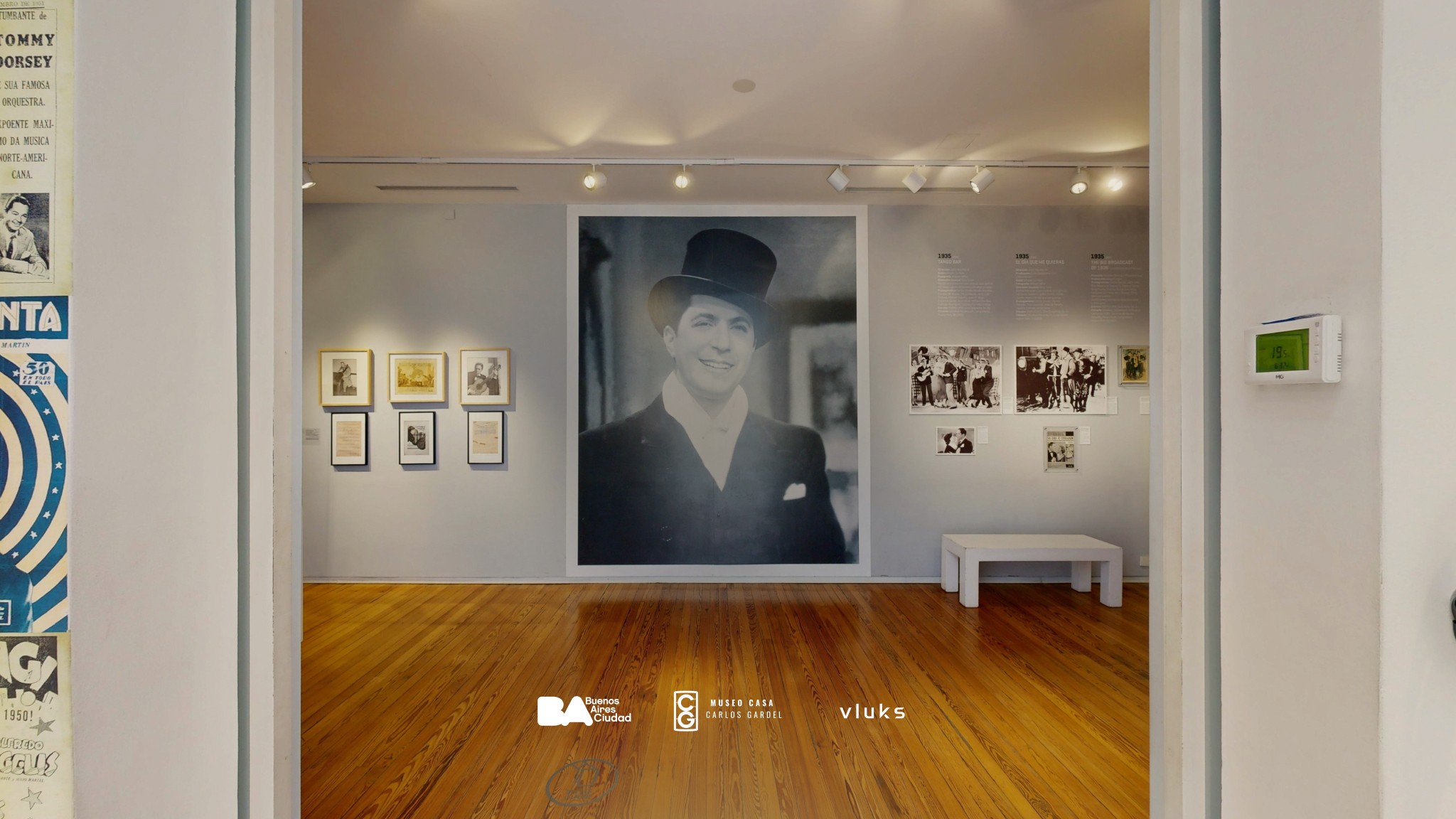
History
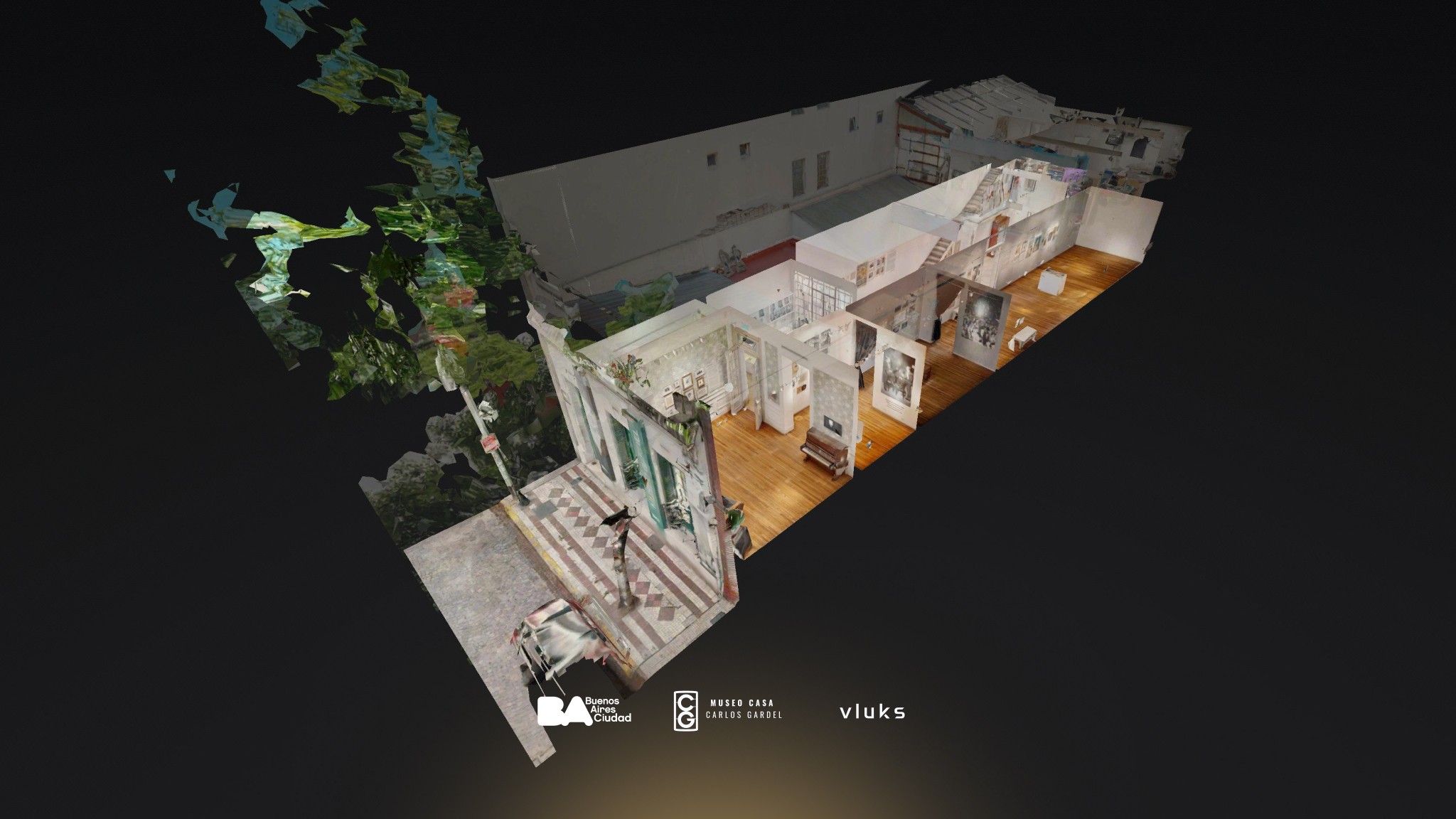
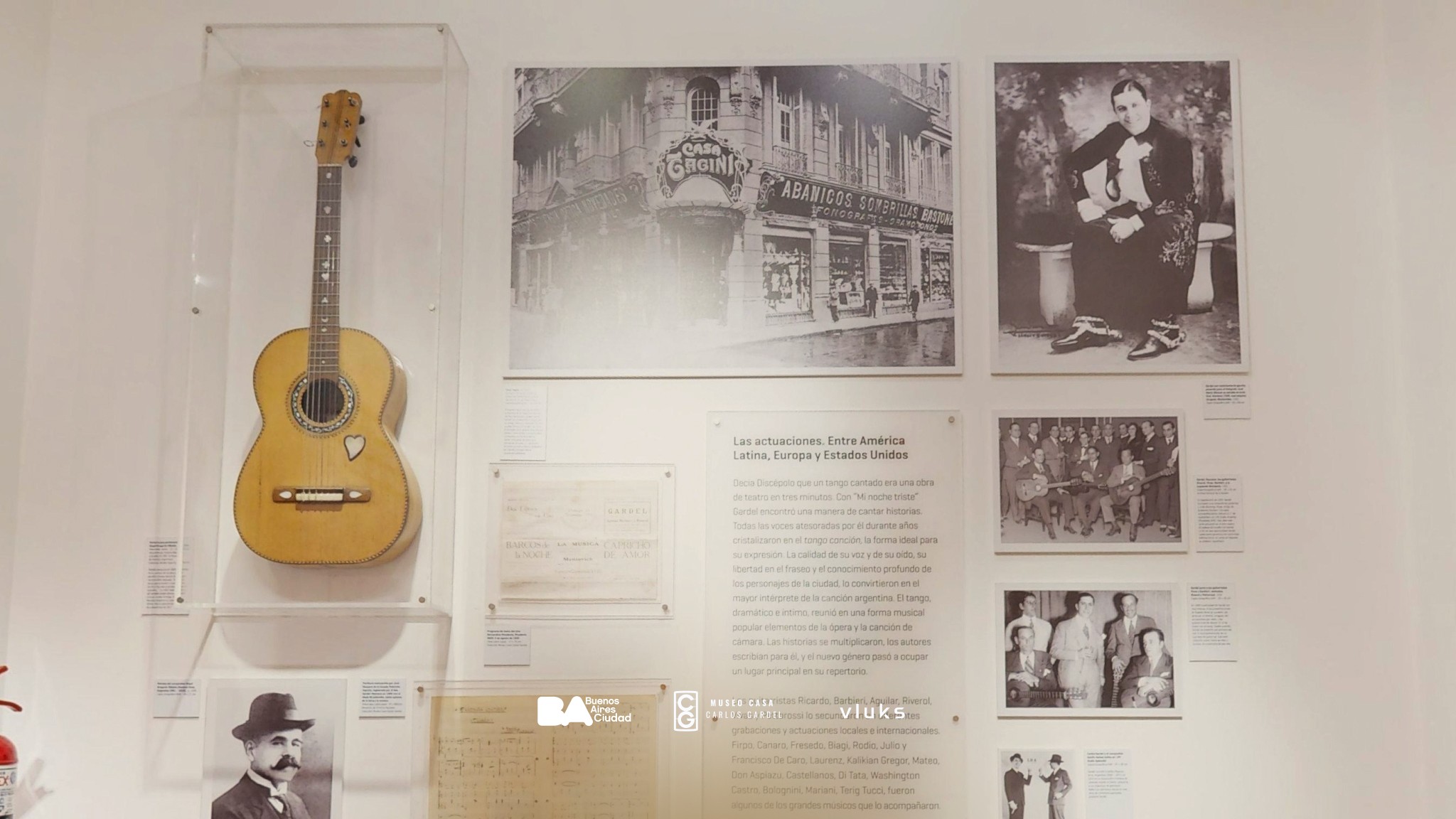
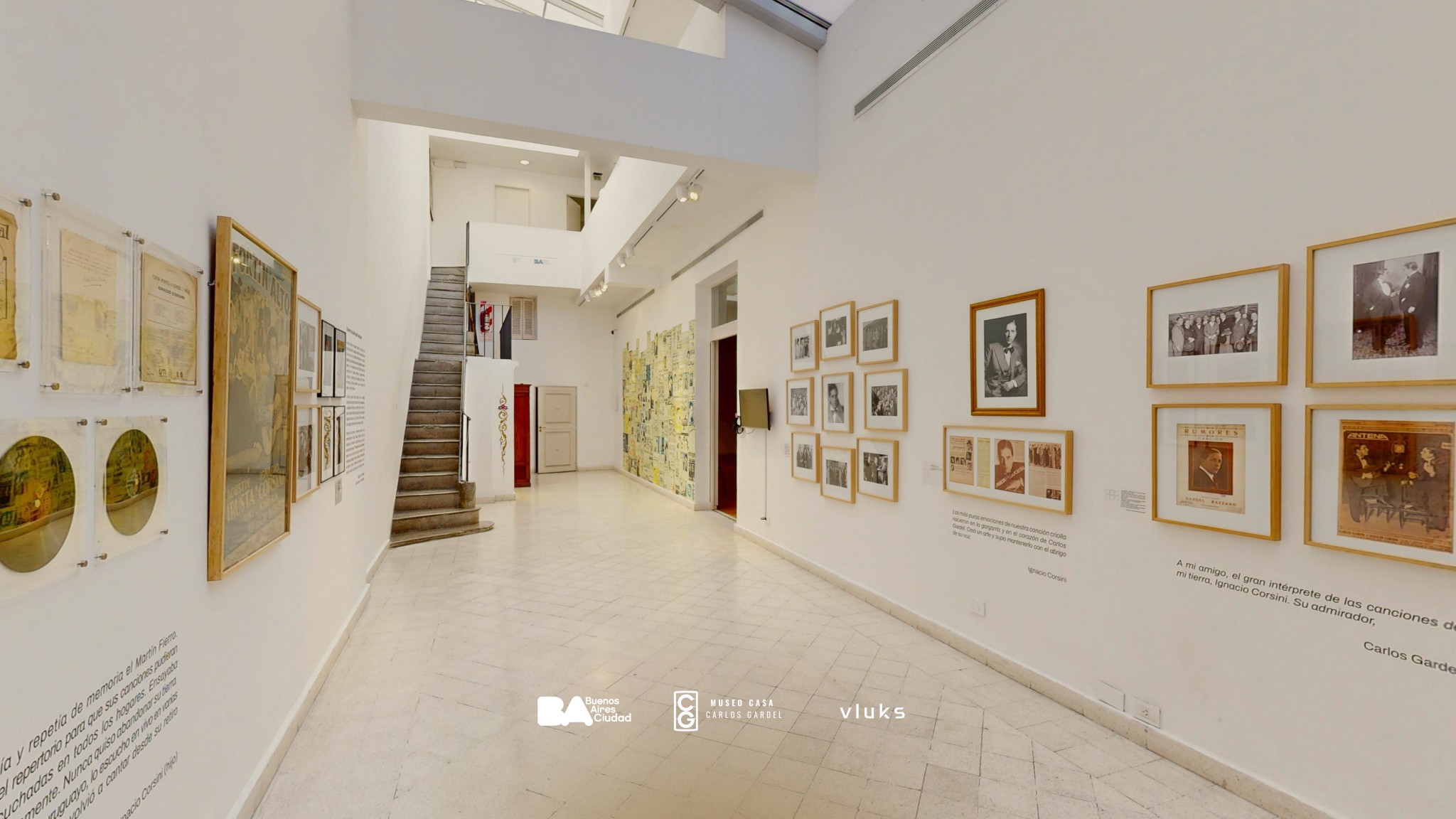
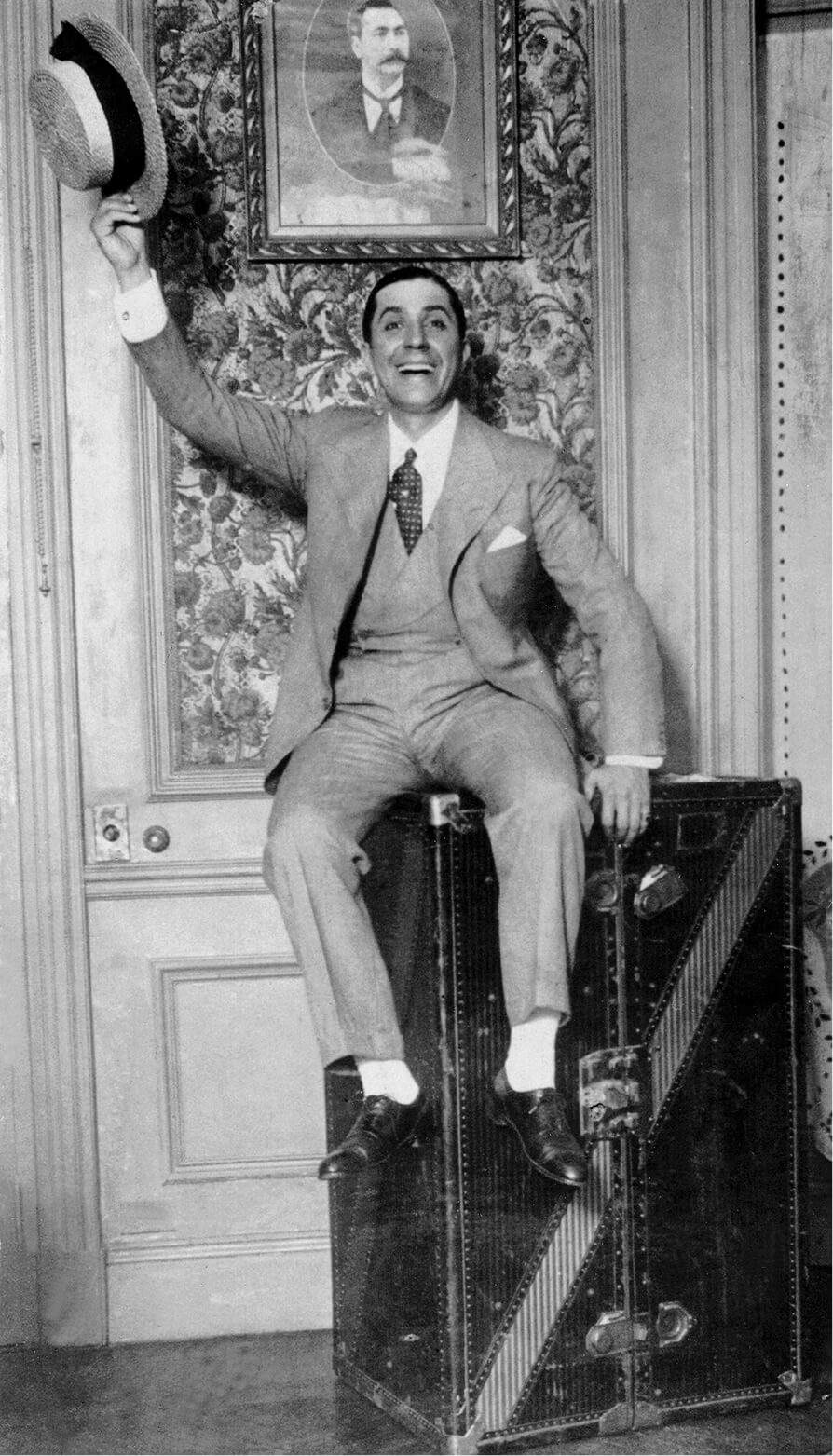
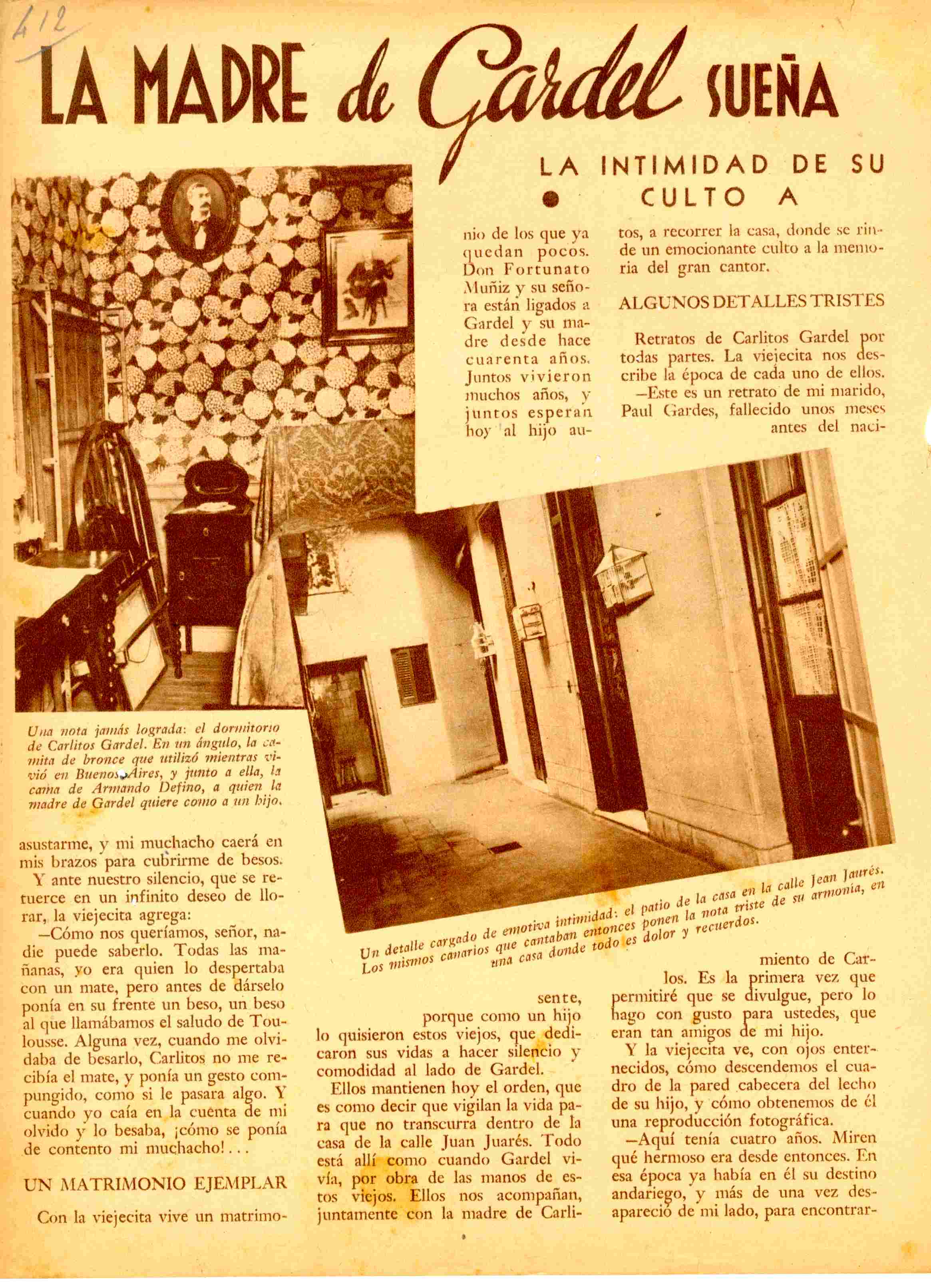
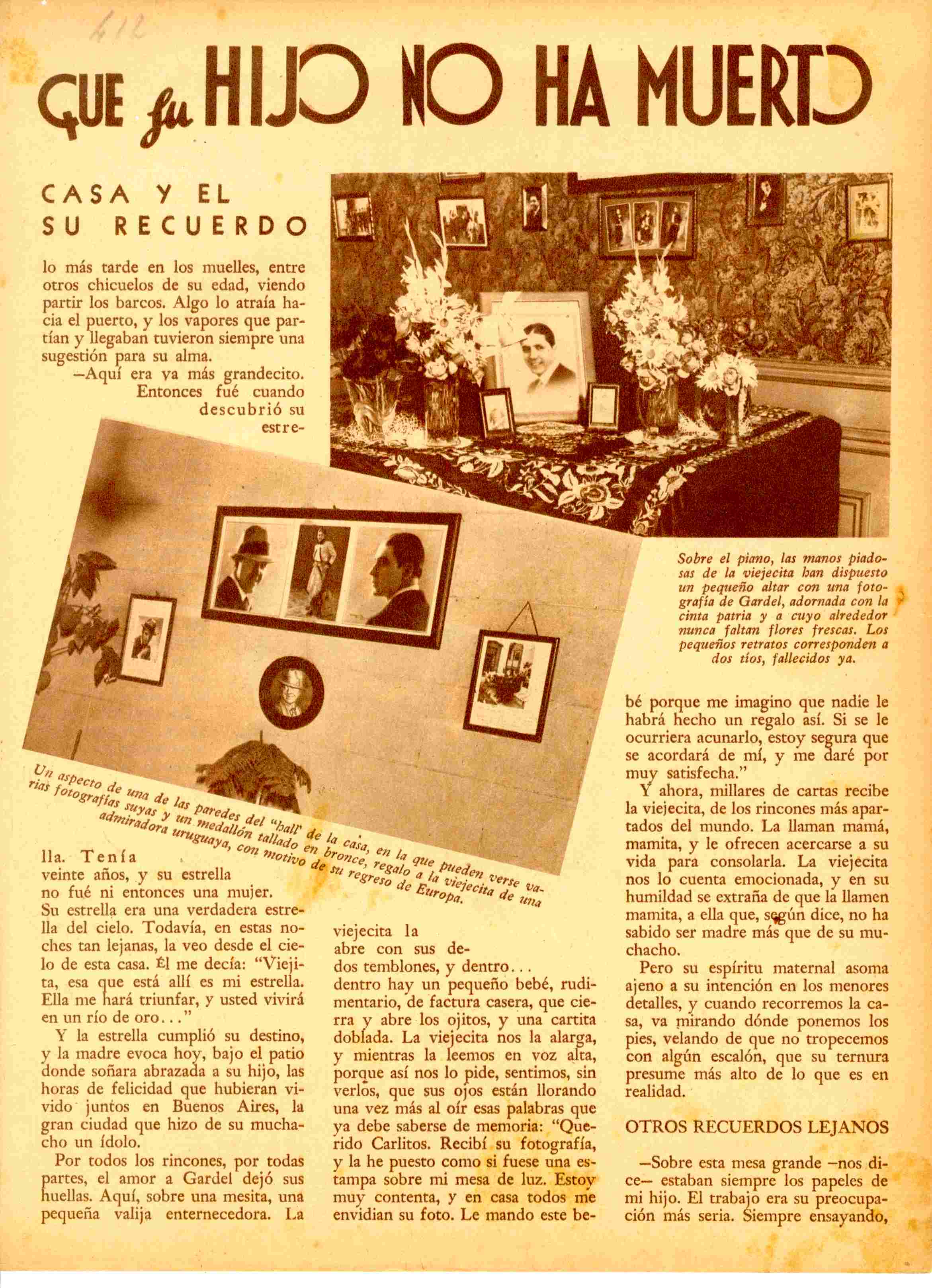
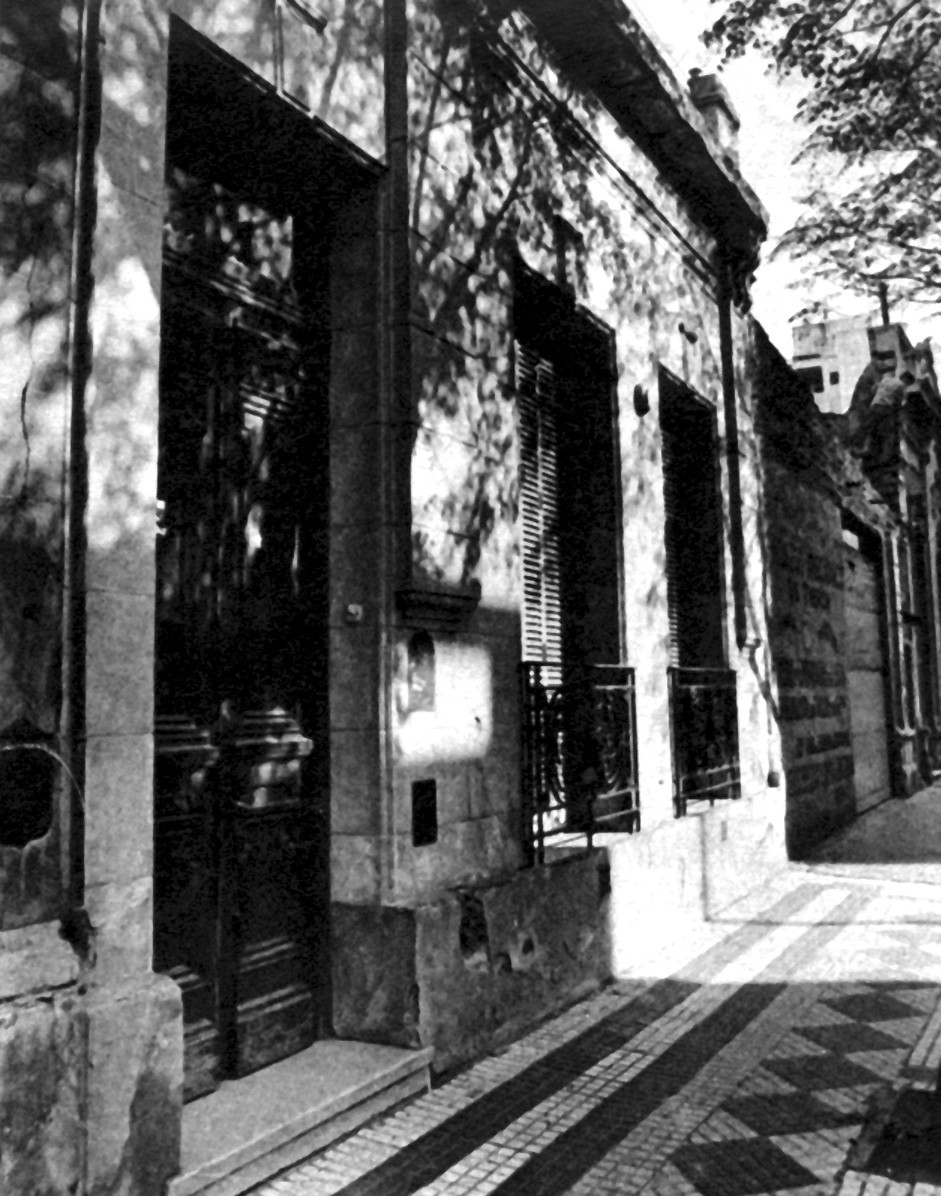
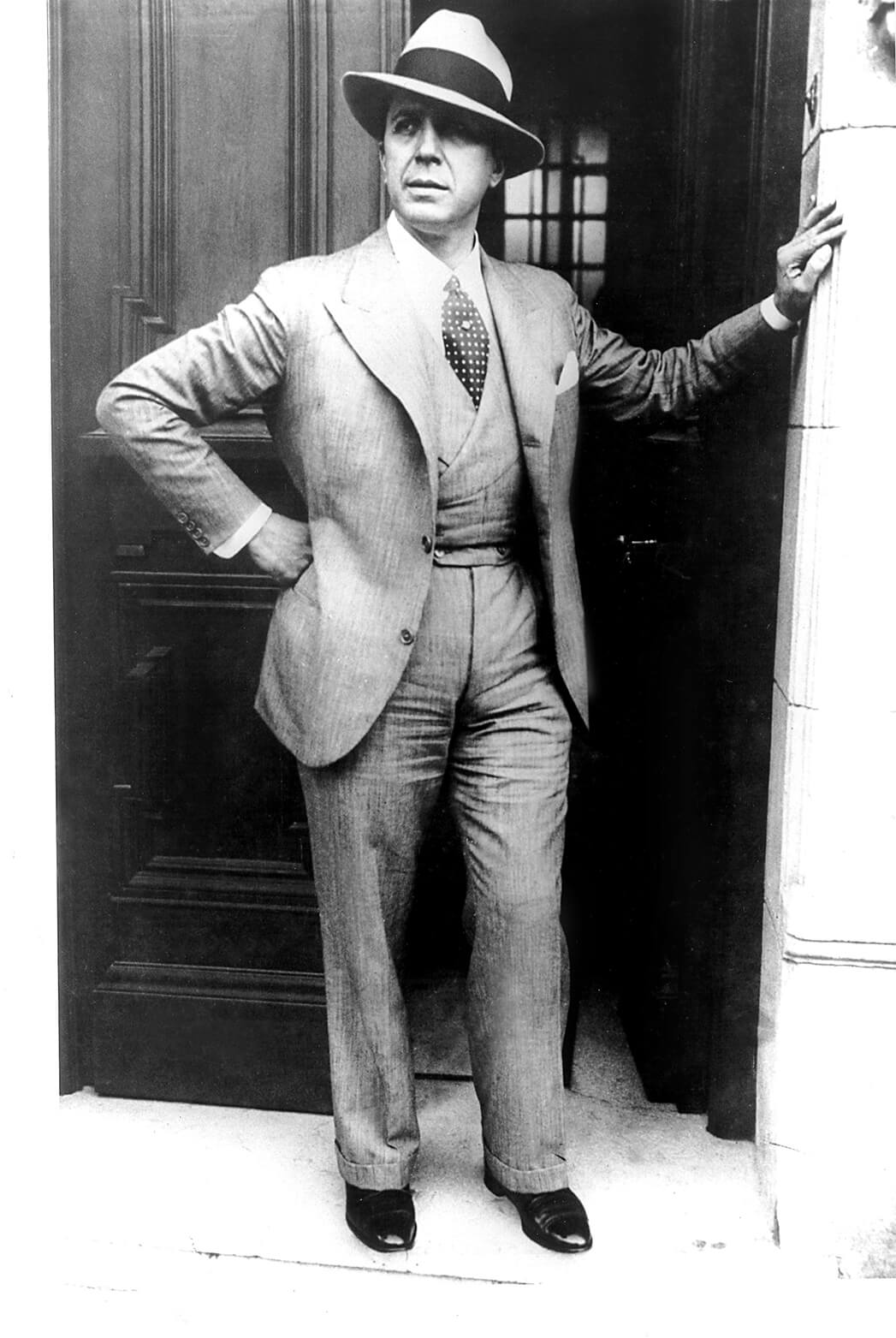
The house of Jean Jaurès 735 was acquired by Carlos Gardel in 1926 for his mother, Berta Gardés, in the then-bustling Abasto neighborhood. They lived together there between 1927 and 1933, in a typical "chorizo" house with rooms aligned around a central patio, from where Gardel would depart on his tours and return to everyday life in Buenos Aires.
After the singer's death in 1935, the house passed through various owners and uses, even functioning as a tango bar, but it retained its original structure. In 1997 it was declared a National Historical Site, recognizing its symbolic value as Gardel's "last porteño house" and as a testimony to the domestic architecture of the time.
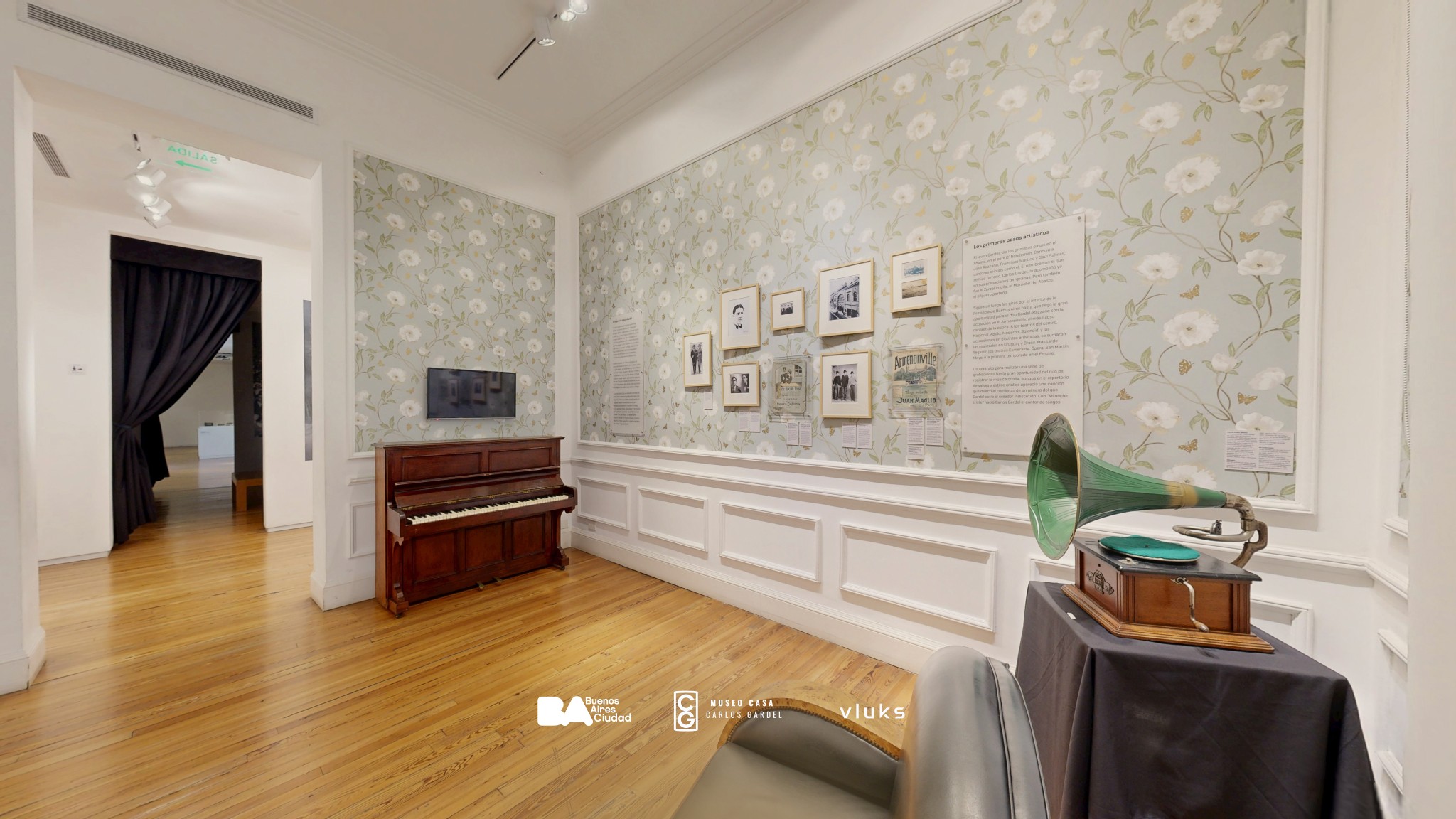
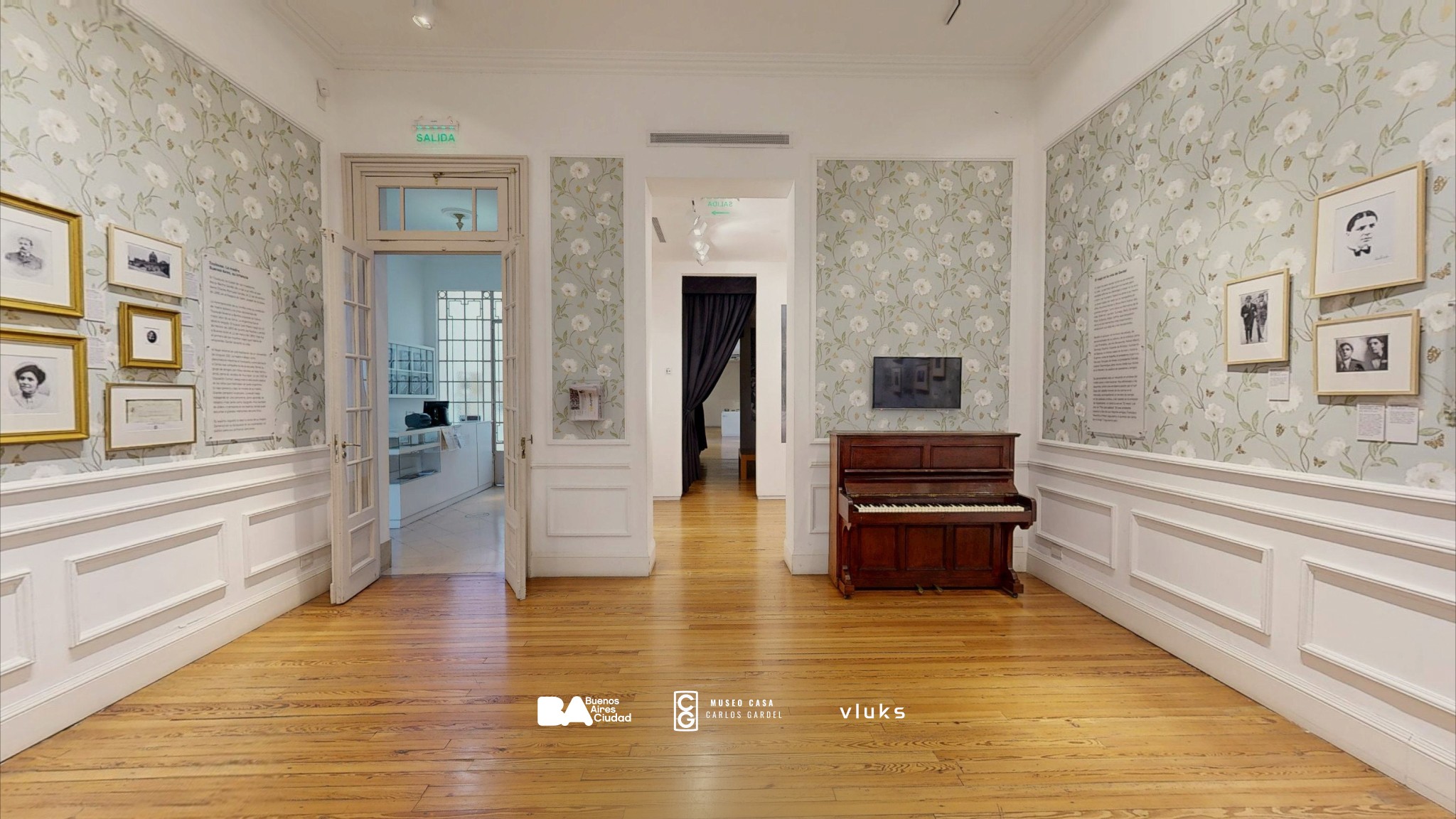
In the early 2000s, the City undertook a restoration process that returned the house to its original appearance and adapted the rooms for museum use. In 2003 it opened as the Carlos Gardel House Museum, dedicated to researching, preserving, and disseminating the life and work of the Zorzal Criollo and the cultural context in which they are set.
The Carlos Gardel House Museum today
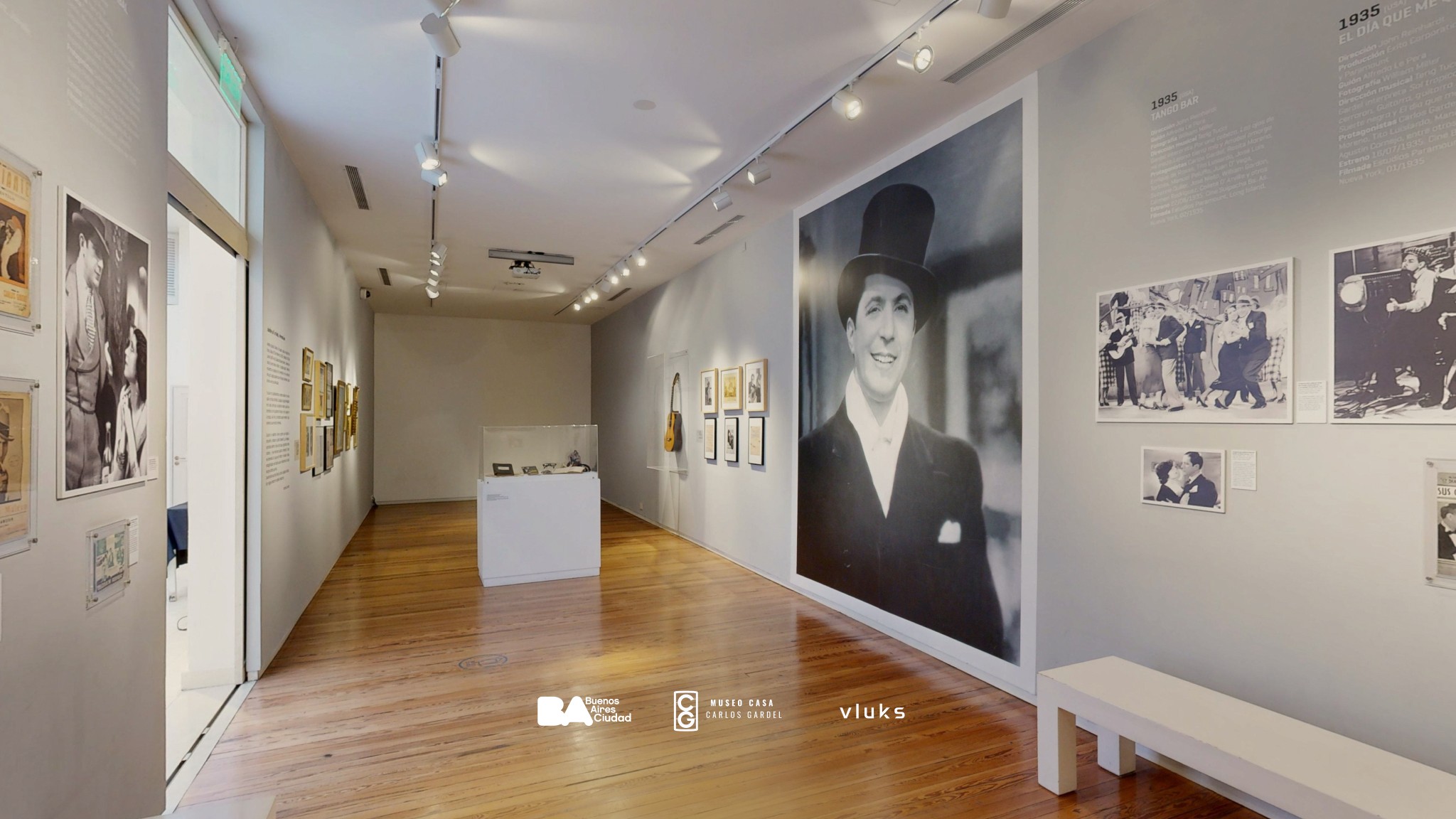
The Gardel House today offers guided tours, exhibitions, educational activities, music cycles, talks, and special proposals around tango, inviting visitors to explore the life of the singer from his own home.
Its heritage importance
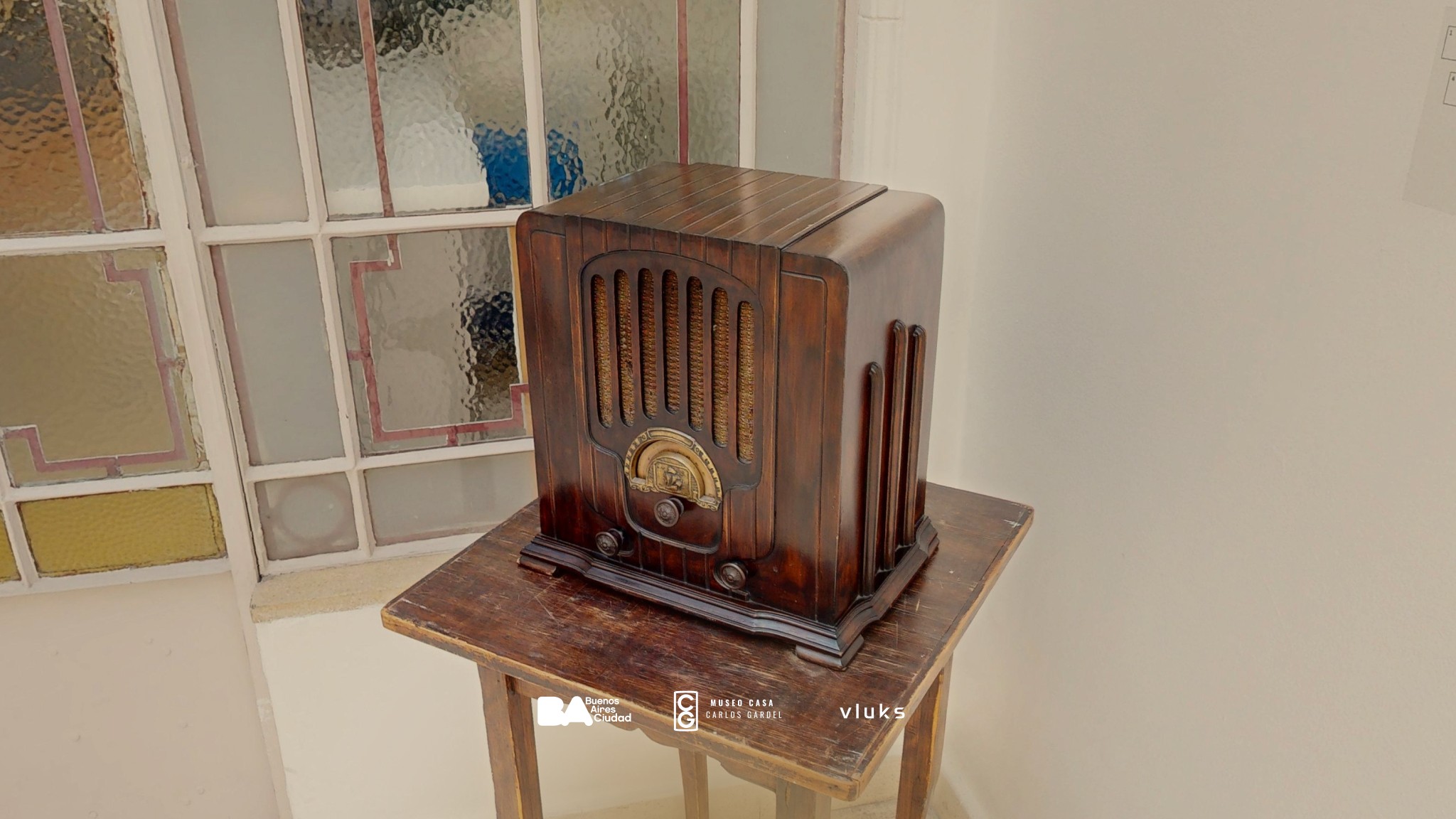
The Carlos Gardel House Museum directly connects the Abasto with the figure of the most emblematic singer of tango. It preserves domestic architecture, objects, and archives that are part of the cultural heritage of the city and the emotional memory of those who recognize Gardel as a porteño symbol.
History
The house of Jean Jaurès 735 was acquired by Carlos Gardel in 1926 for his mother, Berta Gardés, in the then-bustling Abasto neighborhood. They lived together there between 1927 and 1933, in a typical "chorizo" house with rooms aligned around a central patio, from where Gardel would depart on his tours and return to everyday life in Buenos Aires.
After the singer's death in 1935, the house passed through various owners and uses, even functioning as a tango bar, but it retained its original structure. In 1997 it was declared a National Historical Site, recognizing its symbolic value as Gardel's "last porteño house" and as a testimony to the domestic architecture of the time.
In the early 2000s, the City undertook a restoration process that returned the house to its original appearance and adapted the rooms for museum use. In 2003 it opened as the Carlos Gardel House Museum, dedicated to researching, preserving, and disseminating the life and work of the Zorzal Criollo and the cultural context in which they are set.
The Carlos Gardel House Museum today
The Gardel House today offers guided tours, exhibitions, educational activities, music cycles, talks, and special proposals around tango, inviting visitors to explore the life of the singer from his own home.
Its heritage importance
The Carlos Gardel House Museum directly connects the Abasto with the figure of the most emblematic singer of tango. It preserves domestic architecture, objects, and archives that are part of the cultural heritage of the city and the emotional memory of those who recognize Gardel as a porteño symbol.
Featured spaces
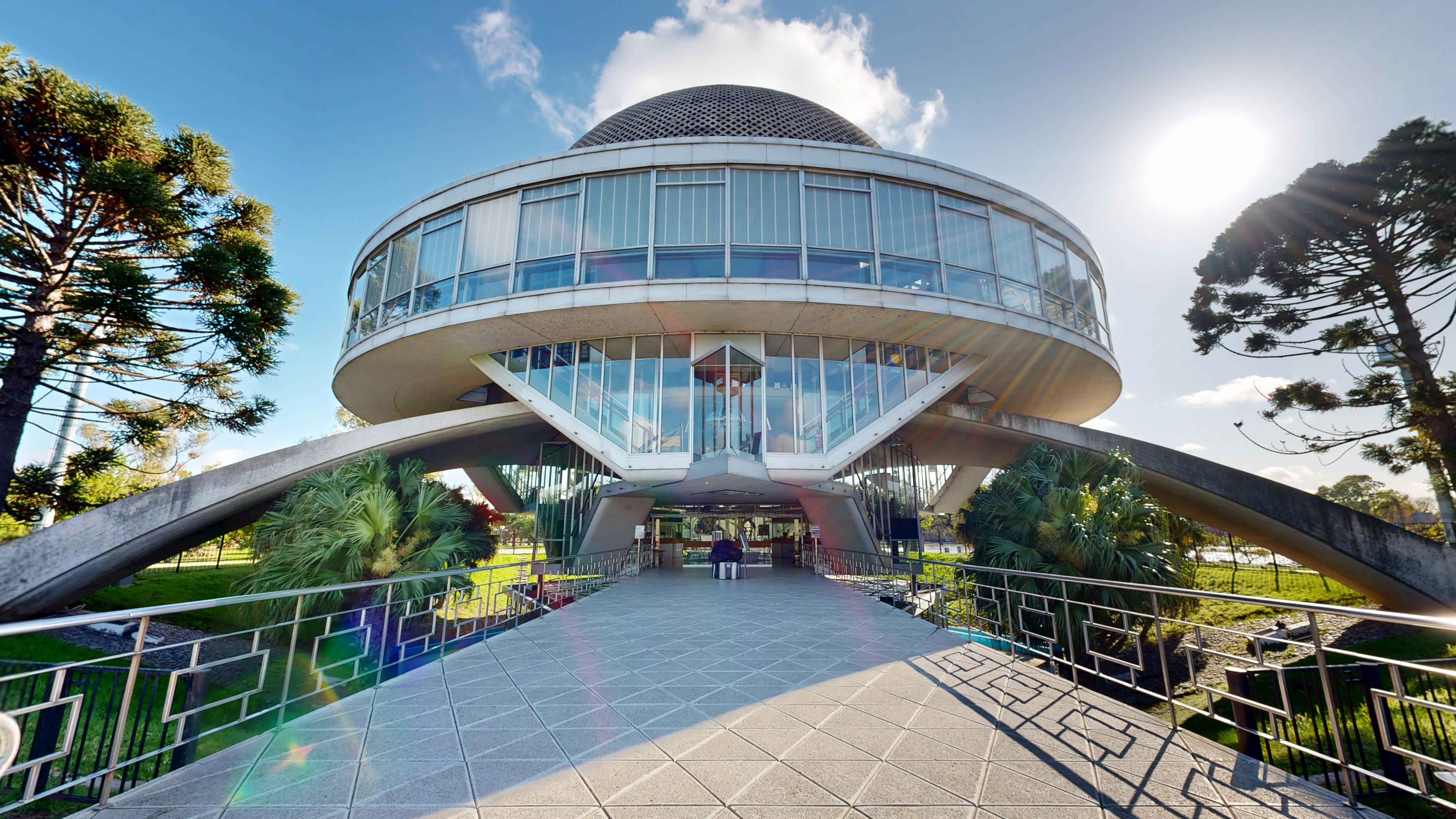

Galileo Galilei Planetarium
Galileo Galilei Planetarium
Galileo Galilei Planetarium
Museum
Museum
Infantil
Infantil
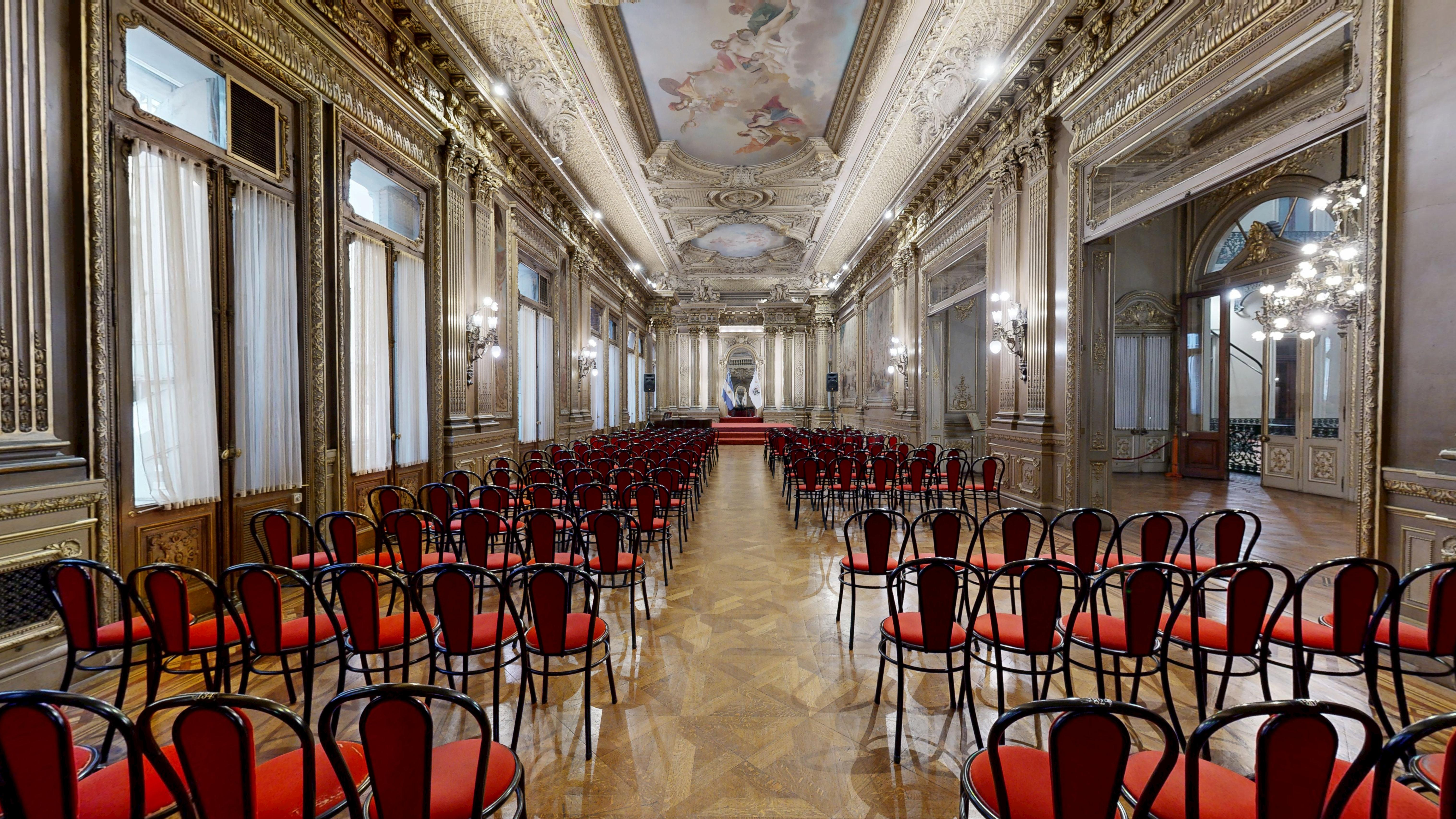

House of Culture
House of Culture
House of Culture
Cultural Center
Cultural Center
Concert hall
Concert hall
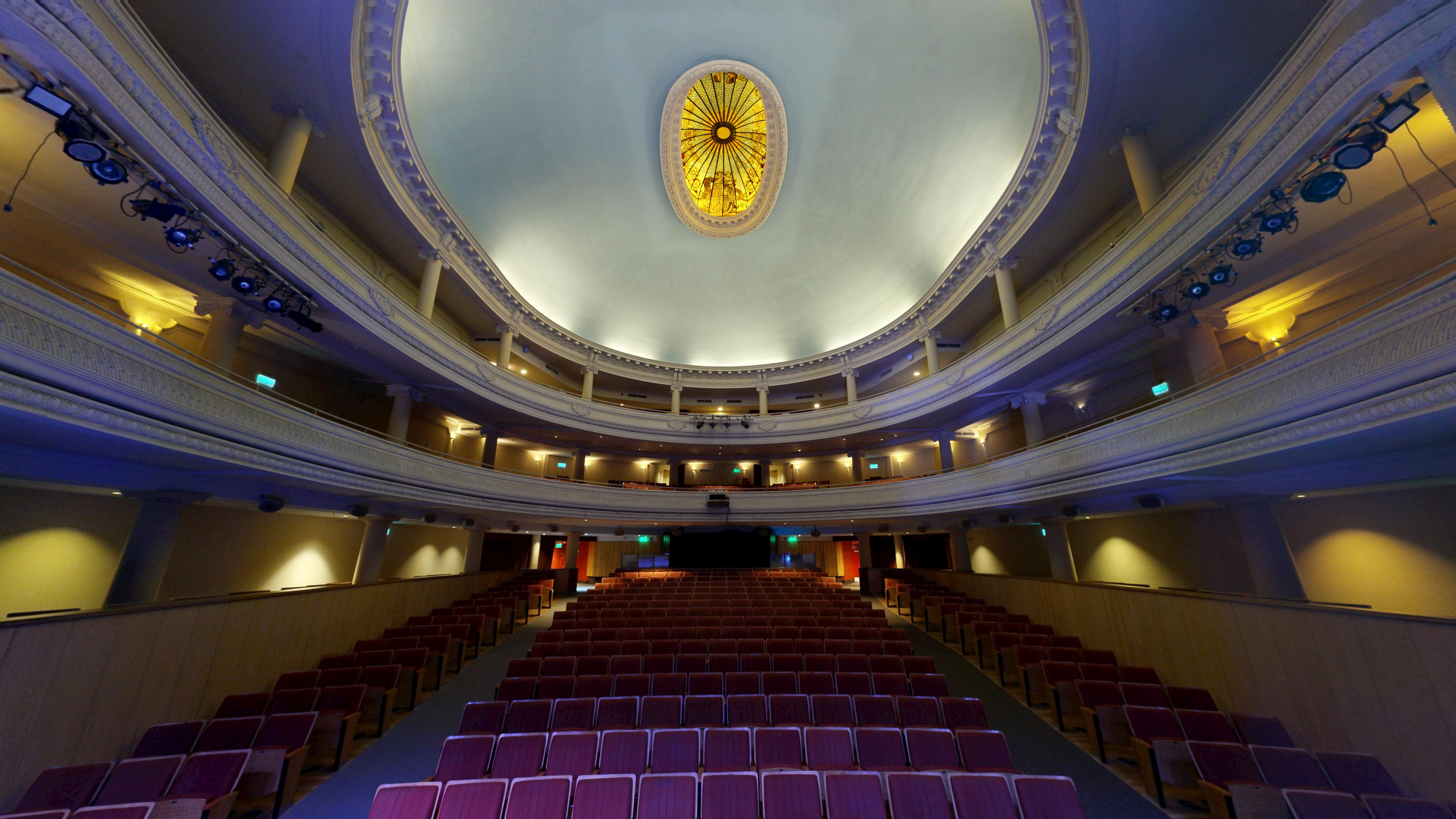

25 de Mayo Cultural Center
25 de Mayo Cultural Center
25 de Mayo Cultural Center
Cultural Center
Cultural Center
Concert hall
Concert hall
Theater
Theater
Created by

Vluks Media
Created by
Vluks Media
Created by
Vluks Media
Created by
Vluks Media